
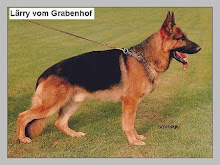
Welcome to the second part of training your dog to “pay attention”. Continue with the same protocol and after fifteen minutes, get down on one knee to your dog’s level and untie the long-line from his collar, but don’t remove the collar yet.
Just take a few moments to tell your dog what a great job he’s doing. Give him a good pet on the head and talk to him in enthusiastic tone of voice. A good praise and a pat on the dog's head are all you need at this time to help shape his attitude for the next lessons that will follow.
Time For A Break
When you have finished your few minutes of praise, casually remove the training collar and give your dog a little privacy to take a break and think things over. Do not leave the training collar on your dog when he’s unattended because the ring can snag objects and cause strangulation.
Your first fifteen minutes of training may have seemed unremarkable to you. However, if you followed the instructions accurately, your dog began to realize that when he’s tied to you, he must move with you. If he failed to learn that on your first day, you can be sure that he’ll learn it, and more, by the fourth day, since it takes the average dog four days to learn an average thing.
At the same time, your dog is going to learn something else that is equally important. He is going to learn that you have the ability to use sound judgment as well as demonstrating a will that’s much stronger than his. Confidence and respect in your actions will begin to grow.
Day 2
Your second day of training should be same as the first day, except for the direction of your pattern. From your starting point the pattern could be the reverse of the day before, so that your dog will not know ahead of time which direction you intend to take.
Depending on your particular dog, you may or may not have struggles on your second day. If you do, handle it as you did the first day. Ignore all distractions and just walk!
Day 3
On the third day of training, even the most stubborn and uncooperative dog will begin to realize that nothing he does is going to deter your from going in the direction you want to go, and when you want to go. He will also realize that the line of least resistance is to follow you.
You will also notice, as you repeat the procedures of the first two days, that your dog will be watching you just a bit more closely. He is learning that he must move with his owner when on a leash. He has learned that you won’t direct him of your intentions. And since he must move with you, there’s only one way he’ll be able to be aware of your movements, and that is to pay attention to you
Showing posts with label dog obedience training for pets. Show all posts
Showing posts with label dog obedience training for pets. Show all posts
Friday, September 11, 2009

Tuesday, July 7, 2009
Dog Behavior – Dogs Are Like Children, They Need Leadership & Guidance
Dogs having a natural instinct towards being "pack" animals. Just like their ancestors in which they came from, the wolf, dogs think in terms of partnerships and teamwork when it comes to certain activities. Similar to the way a sports team will work together in order to accomplish the combined goal of winning, your dog looks towards you and the rest of the family as his "team" and counts on you all to help him survive, learn the rules of the house, and condition his behavior.
And like a winning team, there are certain characteristics that must be adhered to and provided by all members of the family, including your dog. Such examples of winning characteristics are disciplined structure, operation among everyone in your dog, and most important, respect between your dog's "pack". Without these items, there would be chaos and very little way in which your dog can recognize who is in charge and leading his team.
Dogs and puppies need this understanding of leadership and who is to play that role in order to be happy and feel a sense of belonging. Regardless of who is considered the leader in your family, it doesn't matter to your dog, so long as there is one then your pet will be happy and feel a sense of security.
For those family households that have more than one member living inside the home, your dog will recognize a specific hierarchy that develops in time. For example, in my home I have my wife and my daughter that all coexist with the family pet. My dog recognizes his role as the bottom of the leadership chain, and he is quite happy with that. He understands that all of us play a more dominant role in the "pack" than he does. Because there is structure and he is trained to know who is in charge, even though there are multiple members of the family, his sense of security and well-being is guaranteed.
Most dog behavior problems stem from lack of rules and discipline in the house
At this point you have learned that all dogs need to have rules and boundaries firmly set in the household in order for them to be happy. It is the same way with children. Without mommy or daddy to set the rules and enforce those rules, kids typically end up with with an enormous amount of personal behavior problems.
If your dog does not recognize the family as a team and has no sense of who is in charge, his behavior problems can be a nightmare. It is your job to start creating a social order in your house immediately. You must learn to communicate with your dog by reading his body language and picking up on his sense of who's in charge.
And the job will be a lot easier if you can get all members of your family on the same playing field. They must all agree with how your dog should be treated. This will help tremendously so that your time is not wasted as you work hard to create a pack within the family, which will help your dog become a happy, well-trained family pet.
And like a winning team, there are certain characteristics that must be adhered to and provided by all members of the family, including your dog. Such examples of winning characteristics are disciplined structure, operation among everyone in your dog, and most important, respect between your dog's "pack". Without these items, there would be chaos and very little way in which your dog can recognize who is in charge and leading his team.
Dogs and puppies need this understanding of leadership and who is to play that role in order to be happy and feel a sense of belonging. Regardless of who is considered the leader in your family, it doesn't matter to your dog, so long as there is one then your pet will be happy and feel a sense of security.
For those family households that have more than one member living inside the home, your dog will recognize a specific hierarchy that develops in time. For example, in my home I have my wife and my daughter that all coexist with the family pet. My dog recognizes his role as the bottom of the leadership chain, and he is quite happy with that. He understands that all of us play a more dominant role in the "pack" than he does. Because there is structure and he is trained to know who is in charge, even though there are multiple members of the family, his sense of security and well-being is guaranteed.
Most dog behavior problems stem from lack of rules and discipline in the house
At this point you have learned that all dogs need to have rules and boundaries firmly set in the household in order for them to be happy. It is the same way with children. Without mommy or daddy to set the rules and enforce those rules, kids typically end up with with an enormous amount of personal behavior problems.
If your dog does not recognize the family as a team and has no sense of who is in charge, his behavior problems can be a nightmare. It is your job to start creating a social order in your house immediately. You must learn to communicate with your dog by reading his body language and picking up on his sense of who's in charge.
And the job will be a lot easier if you can get all members of your family on the same playing field. They must all agree with how your dog should be treated. This will help tremendously so that your time is not wasted as you work hard to create a pack within the family, which will help your dog become a happy, well-trained family pet.
Wednesday, June 10, 2009
Dog Travel – Keeping Your Dog Safe When Traveling By Airplane
When you have to fly your dog by plane in order to travel to a new destination, the last thing most of us want is to stuff him in a box while he sits in the cargo area during the entire flight. Unfortunately, if you have no other choice but to use the airlines for your travel needs, your dog will have be placed in a crate for the flight.
Your job here is to make sure your dog or puppy is as comfortable as he possibly can be. Below are a few tips to help you prepare him for the flight:
1. You are going to have to invest in a USDA approved kennel that is designed for travel and should be custom fit to the size of your dog. Be sure that the kennel unit is stable and provides enough room for your dog or puppy to stand up in, as well as offers the ability for him to turn around if he needs to.
2. Never wait until the day of your flight to put your dog inside the kennel. Dogs do adapt easily, however, it is best to get him comfortable with the crate so that he will be a little more at ease. You can do this by having him sleep inside the kennel each night before your travel date. Three nights of this arrangement before the day of the flight is plenty of time.
3. If you know your flight will be longer than 10 to 12 hours, be sure to tape a small bag of dog food outside the crate, complete with feeding instructions.
4. For your own peace of mind and to avoid the small chance that your dog could miss his destination, write the destination of your flight on the top portion of the crate in big letters. Be sure to include your full name and address, as well as a phone number where you can be contacted.
5. It is best not to feed your dog within six hours of the flight. This will help reduce the chances of him having an accident and using the bathroom inside of the kennel.
6. In case your dog or puppy does happen to have a mess while flying, prep the kennel with a light layer of paper and bedding so that the urine and stools can be absorbed as best possible.
7. To avoid your dog from becoming dehydrated during the flight, place two bowls inside the kennel, one filled with a small amount of water, and the other filled with ice. The ice bowl will melt away bit by bit and provide plenty of fluids hours later.
8. Last but not least, if you have a very small dog like a chihuahua or a toy poodle, see if you can arrange to have a small crate to put your dog in that can fit underneath your seat. Do not wait until the last minute to talk with the airlines about this arrangement. Find out if boarding the flight with your small dog under your seat is possible as early as you can.
Your job here is to make sure your dog or puppy is as comfortable as he possibly can be. Below are a few tips to help you prepare him for the flight:
1. You are going to have to invest in a USDA approved kennel that is designed for travel and should be custom fit to the size of your dog. Be sure that the kennel unit is stable and provides enough room for your dog or puppy to stand up in, as well as offers the ability for him to turn around if he needs to.
2. Never wait until the day of your flight to put your dog inside the kennel. Dogs do adapt easily, however, it is best to get him comfortable with the crate so that he will be a little more at ease. You can do this by having him sleep inside the kennel each night before your travel date. Three nights of this arrangement before the day of the flight is plenty of time.
3. If you know your flight will be longer than 10 to 12 hours, be sure to tape a small bag of dog food outside the crate, complete with feeding instructions.
4. For your own peace of mind and to avoid the small chance that your dog could miss his destination, write the destination of your flight on the top portion of the crate in big letters. Be sure to include your full name and address, as well as a phone number where you can be contacted.
5. It is best not to feed your dog within six hours of the flight. This will help reduce the chances of him having an accident and using the bathroom inside of the kennel.
6. In case your dog or puppy does happen to have a mess while flying, prep the kennel with a light layer of paper and bedding so that the urine and stools can be absorbed as best possible.
7. To avoid your dog from becoming dehydrated during the flight, place two bowls inside the kennel, one filled with a small amount of water, and the other filled with ice. The ice bowl will melt away bit by bit and provide plenty of fluids hours later.
8. Last but not least, if you have a very small dog like a chihuahua or a toy poodle, see if you can arrange to have a small crate to put your dog in that can fit underneath your seat. Do not wait until the last minute to talk with the airlines about this arrangement. Find out if boarding the flight with your small dog under your seat is possible as early as you can.
Tuesday, June 2, 2009
Dog Travel: More Helpful Tips When Traveling With The Family Dog
When you’re planning your next family trip, everyone is likely to be thrilled and will have more fun if you take the family dog along. Whether you are planning to travel by car, plane, train, or ship, in hot or cold weather - traveling with your dog doesn’t have to be difficult for you or your canine pal if you follow these simple pet travel tips:
1. Are you traveling outside of your home state or to another country? Make sure that you obtain an up-to-date canine travel document from the places you plan to visit. Most states and foreign countries require a health certificate from your vet including a statement that your dog has had his rabies shot. If you are going out of the country, you will also need these papers from a vet to get him back into a United States. And find out early about quarantine rules.
2. Advanced training in car etiquette will keep your dog safer, which means more pleasant traveling experiences for you and the other passengers on any car trip you take. It’s best to start him out on short drives, if possible, when he is still a puppy. Hold him on your lap or on the seat beside you to give him confidence. Right from the start, do not permit leaping in the car or any chance of jostling the driver. Helping your dog get accustomed to the sensation of motion in short stages will help greatly in preventing car sickness.
3. Your dog should have on his collar, a license tag, and identification plate which gives his full name, address, and contact number of a trusted person in case your pet is lost. However, you should take precautions against his straying and keep him on a leash in strange areas. Never let him run loose without supervision, regardless of how well-behaved and well-trained he is. Do not leave him alone in a hotel or motel room – it is easy for a room attendant to open a door and accidentally let your dog out.
4. Your dog will feel more at home, while in strange places, if you take along some familiar items like his favorite toy, his own grooming supplies, and feeding bowl. A small kit or suitcase for carrying these supplies is a great idea. A large plastic container is useful for carrying drinking water. He will also appreciate his own dog bed or blanket when you stay in a motel or hotel (and you can bet the proprietor will be grateful too).
5. Feeding while traveling doesn’t have to be a problem these days. Purchase soft-moist dog food, which is ideal for the traveling dog, since these foods do not require refrigeration and are easy to take along and serve. With his favorite food along, it will be easier for your dog to become used to the routine of traveling.
1. Are you traveling outside of your home state or to another country? Make sure that you obtain an up-to-date canine travel document from the places you plan to visit. Most states and foreign countries require a health certificate from your vet including a statement that your dog has had his rabies shot. If you are going out of the country, you will also need these papers from a vet to get him back into a United States. And find out early about quarantine rules.
2. Advanced training in car etiquette will keep your dog safer, which means more pleasant traveling experiences for you and the other passengers on any car trip you take. It’s best to start him out on short drives, if possible, when he is still a puppy. Hold him on your lap or on the seat beside you to give him confidence. Right from the start, do not permit leaping in the car or any chance of jostling the driver. Helping your dog get accustomed to the sensation of motion in short stages will help greatly in preventing car sickness.
3. Your dog should have on his collar, a license tag, and identification plate which gives his full name, address, and contact number of a trusted person in case your pet is lost. However, you should take precautions against his straying and keep him on a leash in strange areas. Never let him run loose without supervision, regardless of how well-behaved and well-trained he is. Do not leave him alone in a hotel or motel room – it is easy for a room attendant to open a door and accidentally let your dog out.
4. Your dog will feel more at home, while in strange places, if you take along some familiar items like his favorite toy, his own grooming supplies, and feeding bowl. A small kit or suitcase for carrying these supplies is a great idea. A large plastic container is useful for carrying drinking water. He will also appreciate his own dog bed or blanket when you stay in a motel or hotel (and you can bet the proprietor will be grateful too).
5. Feeding while traveling doesn’t have to be a problem these days. Purchase soft-moist dog food, which is ideal for the traveling dog, since these foods do not require refrigeration and are easy to take along and serve. With his favorite food along, it will be easier for your dog to become used to the routine of traveling.
Friday, May 29, 2009
Dog Travel: Helpful Tips While Traveling With Your Dog
To ensure fun, stress-free travel with your canine pal, follow these 5 simple tips:
1. With experience, most dogs get over the tendency to become sick when riding in a moving vehicle. However, some will almost always get queasy. In such cases, you should ask your veterinarian to prescribe a motion sickness pill or a sedative.
2. Do not try to sneak your dog into a motel or hotel. If you are caught doing this, you will just make it very hard for people with dogs who come along after you. There are many great places that accommodate well-behaved dogs. An extensive directory of motels and hotels that accommodates pets can be obtained online or from your preferred travel agency.
3. When aboard trains, dogs are usually permitted in private room spaces, sleepers, or parlor cars – so long as they are kept either in a carrier or leashed up (muzzled in some cases). Otherwise, on most trains, dogs have to ride in the baggage car, where owners are permitted to look after them.
4. Major passenger airlines carry dogs to foreign countries or across the country. If you are traveling by ship, you’ll be glad to know that many ocean liners provide private cabin-like areas for canine passengers. For an added touch of luxury while traveling by sea, there may also be trained attendants on hand to feed, groom, and even play with them.
5. When shipping a dog, it will be necessary to make arrangements with the ship line, airline, or railway express. Some airlines use their own crates while others have them available for rent. The crate must be large enough to permit the dog to stand up, turn around, and lie down. The crate should also have enough room for your dog’s water and/or food bowl. And, depending on the length of travel, the following should be printed on the crate and on a tag attached to the dog’s collar: your name and address, the dog’s place of destination, and his “call command” name. Any instructions for attendants should also be clearly printed on the crate.
Final Dog Travel Tip
Finally, keep in mind that no matter which method you choose to go by, whether by car, by sea, or by air, your fellow travelers will happily accept your dog’s company if he behaves like a “lady” or a “gentleman”.
More than likely, a well-trained dog who does not cause serious problems at home – as the result of proper training and loving care – will be a pleasure to travel with as well.
1. With experience, most dogs get over the tendency to become sick when riding in a moving vehicle. However, some will almost always get queasy. In such cases, you should ask your veterinarian to prescribe a motion sickness pill or a sedative.
2. Do not try to sneak your dog into a motel or hotel. If you are caught doing this, you will just make it very hard for people with dogs who come along after you. There are many great places that accommodate well-behaved dogs. An extensive directory of motels and hotels that accommodates pets can be obtained online or from your preferred travel agency.
3. When aboard trains, dogs are usually permitted in private room spaces, sleepers, or parlor cars – so long as they are kept either in a carrier or leashed up (muzzled in some cases). Otherwise, on most trains, dogs have to ride in the baggage car, where owners are permitted to look after them.
4. Major passenger airlines carry dogs to foreign countries or across the country. If you are traveling by ship, you’ll be glad to know that many ocean liners provide private cabin-like areas for canine passengers. For an added touch of luxury while traveling by sea, there may also be trained attendants on hand to feed, groom, and even play with them.
5. When shipping a dog, it will be necessary to make arrangements with the ship line, airline, or railway express. Some airlines use their own crates while others have them available for rent. The crate must be large enough to permit the dog to stand up, turn around, and lie down. The crate should also have enough room for your dog’s water and/or food bowl. And, depending on the length of travel, the following should be printed on the crate and on a tag attached to the dog’s collar: your name and address, the dog’s place of destination, and his “call command” name. Any instructions for attendants should also be clearly printed on the crate.
Final Dog Travel Tip
Finally, keep in mind that no matter which method you choose to go by, whether by car, by sea, or by air, your fellow travelers will happily accept your dog’s company if he behaves like a “lady” or a “gentleman”.
More than likely, a well-trained dog who does not cause serious problems at home – as the result of proper training and loving care – will be a pleasure to travel with as well.
Tuesday, May 26, 2009
Dog's Worst Enemy – Man
Mark Twain once said, “If you pick up a dog and make him prosperous, he will not bit you. This is the principle difference between a dog and a man.”
Unlike fair weather friends, a dog cares little whether he is fed scraps in a cheap tin bowl or choice meats in a glass dish engraved in his name. He faithfully follows his owner over highly polished floors in a mansion as well as course boards in a cold, rundown apartment.
It matters not to him whether the hand that strokes his back is shaky and wrinkled or its fingers well manicured and soft. When given the slightest measure of affection, the dog will return it with interest.
The dog is the only domestic animal which has served man faithfully since the Middle Stone Age. From Michelangelo's Pomeranian, Napoleon's Fox Terrier, Lincoln's Teddy, or Roosevelt's pooches, dogs have always been part of man's life.
In spite of the long relationship between dog and man, some still fail to understand the animal's need or comprehend his nature. There are individuals who buy a dog as they would purchase a ticket at a race track, hoping to gain. When their expectations do not come true, the ticket, or dog, is discarded.
Anyone determined to have a perfect house instead of a lived-in home should never buy a dog. The animal will cover rugs with hair, may upset the furniture, and of course cause trouble now and again, even after being trained.
When Dog's “Go Human”
Another mistake often made is imposing human standards upon a dog. Although he can and should be trained, he must also be allowed to live as an animal. Dogs are made to run, not to vegetate on silk pillows. Nature endows him with a protective coat and, unless a dog is sick, he does not require turtle-neck sweaters or mink capes.
Some people handcuff a dog's paws with diamond bracelets and bejeweled wrist watches, and dress them in coats to match their own. They blithely ignore the fact that dogs cannot tell time nor appreciate luxury as long as the owners can make him a bulletin board of their wealth or subject of discussion at a cocktail party.
The pleasures and needs of humans are not necessarily those of dogs. If he is forced into a mold alien to his nature, he can become a misfit. The increasing number of dog psychologists would decrease greatly if man would use his power of reason, which is what supposedly separates him from other animals.
Remember...
In this selfish world, dog is man's most unselfish friend. In cities, he is a link between the cold, unfeeling jungle of skyscrapers and the warmth and pleasures of a responsive member of nature. Children, confined to apartments, save themselves from boredom by playing with and caring for a dog. Workers, returning home after a long day of stress and labor, feel comfortable and comforted with a dog waiting at the door, showering them with affection, and sharing their love by sitting at their feet.
Unlike fair weather friends, a dog cares little whether he is fed scraps in a cheap tin bowl or choice meats in a glass dish engraved in his name. He faithfully follows his owner over highly polished floors in a mansion as well as course boards in a cold, rundown apartment.
It matters not to him whether the hand that strokes his back is shaky and wrinkled or its fingers well manicured and soft. When given the slightest measure of affection, the dog will return it with interest.
The dog is the only domestic animal which has served man faithfully since the Middle Stone Age. From Michelangelo's Pomeranian, Napoleon's Fox Terrier, Lincoln's Teddy, or Roosevelt's pooches, dogs have always been part of man's life.
In spite of the long relationship between dog and man, some still fail to understand the animal's need or comprehend his nature. There are individuals who buy a dog as they would purchase a ticket at a race track, hoping to gain. When their expectations do not come true, the ticket, or dog, is discarded.
Anyone determined to have a perfect house instead of a lived-in home should never buy a dog. The animal will cover rugs with hair, may upset the furniture, and of course cause trouble now and again, even after being trained.
When Dog's “Go Human”
Another mistake often made is imposing human standards upon a dog. Although he can and should be trained, he must also be allowed to live as an animal. Dogs are made to run, not to vegetate on silk pillows. Nature endows him with a protective coat and, unless a dog is sick, he does not require turtle-neck sweaters or mink capes.
Some people handcuff a dog's paws with diamond bracelets and bejeweled wrist watches, and dress them in coats to match their own. They blithely ignore the fact that dogs cannot tell time nor appreciate luxury as long as the owners can make him a bulletin board of their wealth or subject of discussion at a cocktail party.
The pleasures and needs of humans are not necessarily those of dogs. If he is forced into a mold alien to his nature, he can become a misfit. The increasing number of dog psychologists would decrease greatly if man would use his power of reason, which is what supposedly separates him from other animals.
Remember...
In this selfish world, dog is man's most unselfish friend. In cities, he is a link between the cold, unfeeling jungle of skyscrapers and the warmth and pleasures of a responsive member of nature. Children, confined to apartments, save themselves from boredom by playing with and caring for a dog. Workers, returning home after a long day of stress and labor, feel comfortable and comforted with a dog waiting at the door, showering them with affection, and sharing their love by sitting at their feet.
Monday, May 18, 2009
How To Approach Strange Dogs (Part 5)
How To Approach Strange Dogs (Part 5)
In previous articles, we have discussed ways to approach strange dogs. We have also identified different types of dog biters, how to show respect and proper behavior around strange dogs, as well as how to avoid being bitten.
If All Else Fails, Defend Yourself!
If you have observed all the general rules and precautions and still find yourself in the position of being attacked by a strange dog, your best defense is to shield your face and neck with your arms, exposing only the side of your body to the dog. Your actions should only be that of defense.
You should yell and make the most harrowing, alarming sound possible with your voice. Keep in mind that a dog does not trust anything that he doesn’t understand. You can confuse his current thought process by making strange, eerie noises, while at the same time calling for help with your cries.
Try To Keep The Dog Off Balance
Raising your knee to keep the dog off balance can help protect you against serious injuries. I have encountered a great example of this technique one day as a large German Shepherd bolted through an unlocked screen door. The object of the dog’s attack was a new mailman on his way to the mailbox.
Shielding his face and neck with his arms, the mailman cut loose with strange, ghastly sounds. The sounds stopped the German Shepherd cold in his tracks, created attention to every neighbor on the block, and the postman came out of the scene unharmed.
Talking with the mailman later, he admitted never having used the dog repellent spray that many mailmen carry with them for protection. He confessed that he has more confidence in his own method.
Some occupations have a high incidence of dog bites. Among the more noted of these are the mailman, meter readers, newspaper deliverers, pizza deliverers, solicitors, and trash collectors. Classified with the higher-risks would be the solicitors, or the door-to-door salesmen. If people who are in these occupations had a better understanding of what makes a dog bite, the incidence would be greatly reduced, maybe even completely eliminated. Children also suffer a high incidence rate because they panic, run, or force their attention on the dog.
So whether you are confronted with the protective biter or the fear biter, keep in mind the most important things: Let the dog come to you, at his own pace. Never force yourself on him, thinking that he’ll know right away that you are not a threat. Meet him on his level. Kneel down to his size and extend your arm with the back of your palm exposed for him to sniff. Let the dog take all the time he wants to decide whether or not to be your friend. When you are face-to-face with a strange dog, that investment in time can play a crucial role toward your safety.
In previous articles, we have discussed ways to approach strange dogs. We have also identified different types of dog biters, how to show respect and proper behavior around strange dogs, as well as how to avoid being bitten.
If All Else Fails, Defend Yourself!
If you have observed all the general rules and precautions and still find yourself in the position of being attacked by a strange dog, your best defense is to shield your face and neck with your arms, exposing only the side of your body to the dog. Your actions should only be that of defense.
You should yell and make the most harrowing, alarming sound possible with your voice. Keep in mind that a dog does not trust anything that he doesn’t understand. You can confuse his current thought process by making strange, eerie noises, while at the same time calling for help with your cries.
Try To Keep The Dog Off Balance
Raising your knee to keep the dog off balance can help protect you against serious injuries. I have encountered a great example of this technique one day as a large German Shepherd bolted through an unlocked screen door. The object of the dog’s attack was a new mailman on his way to the mailbox.
Shielding his face and neck with his arms, the mailman cut loose with strange, ghastly sounds. The sounds stopped the German Shepherd cold in his tracks, created attention to every neighbor on the block, and the postman came out of the scene unharmed.
Talking with the mailman later, he admitted never having used the dog repellent spray that many mailmen carry with them for protection. He confessed that he has more confidence in his own method.
Some occupations have a high incidence of dog bites. Among the more noted of these are the mailman, meter readers, newspaper deliverers, pizza deliverers, solicitors, and trash collectors. Classified with the higher-risks would be the solicitors, or the door-to-door salesmen. If people who are in these occupations had a better understanding of what makes a dog bite, the incidence would be greatly reduced, maybe even completely eliminated. Children also suffer a high incidence rate because they panic, run, or force their attention on the dog.
So whether you are confronted with the protective biter or the fear biter, keep in mind the most important things: Let the dog come to you, at his own pace. Never force yourself on him, thinking that he’ll know right away that you are not a threat. Meet him on his level. Kneel down to his size and extend your arm with the back of your palm exposed for him to sniff. Let the dog take all the time he wants to decide whether or not to be your friend. When you are face-to-face with a strange dog, that investment in time can play a crucial role toward your safety.
Thursday, May 14, 2009
How To Approach Strange Dogs (Part 4)
Dogs that are trained professionally as attack dogs, guard dogs, and patrol dogs, are trained to see through a person's disguise. In other words, a burglar who puts up an aura of fearlessness and confidence, thinking that he can dazzle a trained guard dog into believing the burglar is “Mr. Nice Guy” will be in for a surprise! For a well-trained dog, all the sweetness, fearlessness, and confidence in the world won’t win past his professionally trained senses.
Most household dogs are not professionally trained and act on instinct alone. It is this instinct that will eventually allow you to pass through, or stop you in your tracks. If you are approaching a house to visit friends, sell a product, deliver mail, read a meter, or anything else that’s considered legitimate, the protective biter will be able to sense that you are legitimate if you take the time to allow him to study you. The secret is in allowing the dog time to get acquainted.
Do not expect the dog to not bite just because his owners said so. Many dog owners have been mistaken at this assumption, leaving visitors injured by ignoring the dog’s warnings at the door. Even if your host insists that the dog is very friendly and has never bitten anyone, take the time to establish a connection with him.
Keep in mind that the host knows you’re an invited guest, but to the dog, you are an intruder in his home, his lair, his domain. Let the dog be the judge and give him time to make his judgment. Meet him on his level, talk to him, and give him the satisfaction of scent discrimination.
Approaching The Injured Dog
The Good Samaritan attempting to capture an obviously strayed, lost, starving, or homeless dog or a person trying to rescue an injured dog, often has his confidence crushed when he is bitten by the very dog he is trying to save. A dog does not trust a situation which he doesn’t understand. If he’s been hit by a car, he doesn’t understand why. He only knows that he’s hurt. Chances are that his only remaining defense is his mouth.
Talking friendly and softly to an injured dog while slowly securing his mouth shut will shift the odds in your favor. A belt, a piece of rope, or a strip of rag will suffice, immobilizing the dog’s mouth so that you can safely remove him to a safe location and administer first-aid treatment.
Keep in mind that, in an injured state, making friends is the farthest thing from a dog’s mind. His main thought is to survive and ward off any potential attackers that come in his way, including you, even though you are there to help.
Most household dogs are not professionally trained and act on instinct alone. It is this instinct that will eventually allow you to pass through, or stop you in your tracks. If you are approaching a house to visit friends, sell a product, deliver mail, read a meter, or anything else that’s considered legitimate, the protective biter will be able to sense that you are legitimate if you take the time to allow him to study you. The secret is in allowing the dog time to get acquainted.
Do not expect the dog to not bite just because his owners said so. Many dog owners have been mistaken at this assumption, leaving visitors injured by ignoring the dog’s warnings at the door. Even if your host insists that the dog is very friendly and has never bitten anyone, take the time to establish a connection with him.
Keep in mind that the host knows you’re an invited guest, but to the dog, you are an intruder in his home, his lair, his domain. Let the dog be the judge and give him time to make his judgment. Meet him on his level, talk to him, and give him the satisfaction of scent discrimination.
Approaching The Injured Dog
The Good Samaritan attempting to capture an obviously strayed, lost, starving, or homeless dog or a person trying to rescue an injured dog, often has his confidence crushed when he is bitten by the very dog he is trying to save. A dog does not trust a situation which he doesn’t understand. If he’s been hit by a car, he doesn’t understand why. He only knows that he’s hurt. Chances are that his only remaining defense is his mouth.
Talking friendly and softly to an injured dog while slowly securing his mouth shut will shift the odds in your favor. A belt, a piece of rope, or a strip of rag will suffice, immobilizing the dog’s mouth so that you can safely remove him to a safe location and administer first-aid treatment.
Keep in mind that, in an injured state, making friends is the farthest thing from a dog’s mind. His main thought is to survive and ward off any potential attackers that come in his way, including you, even though you are there to help.
Wednesday, May 6, 2009
Insurance – Consider Dog Health Insurance For Peace Of Mind
Insurance – Consider Dog Health Insurance For Peace Of Mind
When it comes to proper health care for your dog, nothing is more effective than taking preventive action. By learning some basic knowledge and adding a few simple measures into your daily routine, you can have the peace of mind of knowing that you are getting the best health care possible for your dog.
Educate Yourself
You can help your dog eliminate a lot of discomfort and pain as well as reduce future health problems by acting as his first aid. Applying simple actions such as finding a good vet and knowing the signs and symptoms to look for in an illness will save you a lot of time and money. Taking the time to learn how to take care of your dog, particularly before you bring him home or immediately right after, is a worthy investment to make for the sake of your dog's health.
After getting your puppy, it is good to know that he is in great shape and free of any conditions or disorders that can affect him later in life. To do this, you have to take him to the vet, preferably within the first two weeks after bringing him home, the sooner the better. This way, you will know immediately if there is something wrong with him, and fix it right away before the problem gets any worse or develop into something incurable.
Consider Dog Insurance
Pet insurance is a resource that helps you cover the cost of your dog's veterinary care. It offers a wide selection of plans that cover part of the cost of surgery, minor injury, routine checkups, and even dental care. It also helps pay for part of the cost of the financial expenses of a medical procedure such as a transplant or chemotherapy.
However, if you are thinking about getting pet health insurance for your dog, you have to be very careful. Do not sign up with the first one that you see, and do not pay anything unless you know exactly what you are getting. Below are some of the things that you should check for before you sign up for a pet health insurance.
1. Read the fine print. What exactly is covered and not covered in the plan?
2. Some plans have high deductibles. Shop around for one that offers the same type of coverage for a lower deductible.
3. Does the plan cover routine checkup and preventive care?
4. Some plans do not cover a dog once he reaches a certain age. Find out if the one you are looking at has an age limitation.
When it comes to proper health care for your dog, nothing is more effective than taking preventive action. By learning some basic knowledge and adding a few simple measures into your daily routine, you can have the peace of mind of knowing that you are getting the best health care possible for your dog.
Educate Yourself
You can help your dog eliminate a lot of discomfort and pain as well as reduce future health problems by acting as his first aid. Applying simple actions such as finding a good vet and knowing the signs and symptoms to look for in an illness will save you a lot of time and money. Taking the time to learn how to take care of your dog, particularly before you bring him home or immediately right after, is a worthy investment to make for the sake of your dog's health.
After getting your puppy, it is good to know that he is in great shape and free of any conditions or disorders that can affect him later in life. To do this, you have to take him to the vet, preferably within the first two weeks after bringing him home, the sooner the better. This way, you will know immediately if there is something wrong with him, and fix it right away before the problem gets any worse or develop into something incurable.
Consider Dog Insurance
Pet insurance is a resource that helps you cover the cost of your dog's veterinary care. It offers a wide selection of plans that cover part of the cost of surgery, minor injury, routine checkups, and even dental care. It also helps pay for part of the cost of the financial expenses of a medical procedure such as a transplant or chemotherapy.
However, if you are thinking about getting pet health insurance for your dog, you have to be very careful. Do not sign up with the first one that you see, and do not pay anything unless you know exactly what you are getting. Below are some of the things that you should check for before you sign up for a pet health insurance.
1. Read the fine print. What exactly is covered and not covered in the plan?
2. Some plans have high deductibles. Shop around for one that offers the same type of coverage for a lower deductible.
3. Does the plan cover routine checkup and preventive care?
4. Some plans do not cover a dog once he reaches a certain age. Find out if the one you are looking at has an age limitation.
Thursday, April 30, 2009
New Puppy Advice – The Don'ts Of Adding A New Puppy To The Family
New Puppy Advice – The Don'ts Of Adding A New Puppy To The Family
Endless books, magazines, and Internet articles have addressed the basics when getting a new puppy. But regardless of just how simple and repetitive puppy care information may become, like anything else in life, always refer back to those basics for timeless advice.
Check out the following “Don'ts” when a new puppy has arrived in your home:
1. Don't strike at your puppy, no matter how heinous the crime may be. All you will do is frighten the little guy and possibly injure him in the process. You have to keep in mind that he is a complete stranger to your home and your entire world. Remember that he has just been separated from his mother and as far as his little mind is concerned, you look nothing like her!
In this regard, don't use any objects to spank your dog either. Justifying such punishment by using a rolled up newspaper instead of your hand will not suffice. Refrain from ALL physical hitting.
2. Don't leave any items around the house that you cherish. It may be an old saying, but it's certainly true: Puppies eat EVERYTHING! If you want to keep those new socks free from holes then put them up. Still haven't quit that smoking habit of yours? Guess what? Your new puppy would love nothing more than to chew on those cigarettes that are lying around the house. And just because your new iPod cannot be torn up like an old sock, your new puppy will spend plenty of time trying to gnaw his way through it.
3. Don't allow every visitor that comes by the house to handle your puppy. In fact, you should even restrict some family members from handling the new puppy, at least for the first week or two. If too many human hands pick him up then he may become a nervous dog that could have negative socialization issues.
4. Don't pick your new puppy up by his forelegs. Children are the first to commit this crime as they are not as careful with small dogs as adults are. A puppy's legs are not strong enough for someone to lift him up by. When this happens you will hear your puppy shriek in pain. The injury may be so severe that his appetite is lost, he runs a fever, and grows listless. When this happens, be sure to contact the veterinarian as soon as possible.
5. Don't leave any holes uncovered inside of the house. Like cats, puppies are insanely curious and would literally kill themselves if nobody was watching out for them.
6. Don't leave any electrical wires where your new puppy can reach them. These little guys love to chew on wires if left out. There have been hundreds of stories of little dogs who died from electrocution simply because their owners neglected to puppy-proof the inside of the home.
Endless books, magazines, and Internet articles have addressed the basics when getting a new puppy. But regardless of just how simple and repetitive puppy care information may become, like anything else in life, always refer back to those basics for timeless advice.
Check out the following “Don'ts” when a new puppy has arrived in your home:
1. Don't strike at your puppy, no matter how heinous the crime may be. All you will do is frighten the little guy and possibly injure him in the process. You have to keep in mind that he is a complete stranger to your home and your entire world. Remember that he has just been separated from his mother and as far as his little mind is concerned, you look nothing like her!
In this regard, don't use any objects to spank your dog either. Justifying such punishment by using a rolled up newspaper instead of your hand will not suffice. Refrain from ALL physical hitting.
2. Don't leave any items around the house that you cherish. It may be an old saying, but it's certainly true: Puppies eat EVERYTHING! If you want to keep those new socks free from holes then put them up. Still haven't quit that smoking habit of yours? Guess what? Your new puppy would love nothing more than to chew on those cigarettes that are lying around the house. And just because your new iPod cannot be torn up like an old sock, your new puppy will spend plenty of time trying to gnaw his way through it.
3. Don't allow every visitor that comes by the house to handle your puppy. In fact, you should even restrict some family members from handling the new puppy, at least for the first week or two. If too many human hands pick him up then he may become a nervous dog that could have negative socialization issues.
4. Don't pick your new puppy up by his forelegs. Children are the first to commit this crime as they are not as careful with small dogs as adults are. A puppy's legs are not strong enough for someone to lift him up by. When this happens you will hear your puppy shriek in pain. The injury may be so severe that his appetite is lost, he runs a fever, and grows listless. When this happens, be sure to contact the veterinarian as soon as possible.
5. Don't leave any holes uncovered inside of the house. Like cats, puppies are insanely curious and would literally kill themselves if nobody was watching out for them.
6. Don't leave any electrical wires where your new puppy can reach them. These little guys love to chew on wires if left out. There have been hundreds of stories of little dogs who died from electrocution simply because their owners neglected to puppy-proof the inside of the home.
Friday, April 24, 2009
Early Socialization: Is Your Puppy Ready For The Outside World?
Early Socialization: Is Your Puppy Ready For The Outside World?
Exposing your puppy to different kinds of environments and experiences is a very important step in his learning process. In order to develop a healthy mental well-being, he needs to know that the world is a fun place to explore. This can only be achieved through proper and continuous socialization.
Socialization is the process of preparing your puppy for healthy mental development by exposing him in a positive way to different sights, smells, and sounds. Socialization also includes interaction with people, dogs and other animals, as well as other objects like moving cars.
Taking your puppy to a training class is an excellent way to introduce him to a variety of experiences. However, socializing your puppy calls for much more than teaching him training skills. Socialization teaches your pet to interact with different situations, explore without fear, and get to know as much as he can about the world around him, thereby giving him a wholesome life.
Preferably, socialization should begin in your puppy’s first home. His breeder should introduce him, along with the rest of the litter, to a variety of stimuli from the moment they are born.
For instance, the litter should be exposed to different bedding materials to get them used to different textures and surfaces. Objects like balls, squeaky toys, bubble wraps, plastic bags, and other items should be introduced slowly and often. This helps them approach new situations with confidence.
Below are a few examples of objects and situations that your pup should see and experience from the moment he opens his eyes:
* The sounds of different appliances in the house.
*A trip to the vet.
*Going up and down the stairs.
*Meeting different people of different ages.
*Meeting other puppies and dogs (Keep puppy on your arms and under closed supervision).
*Meeting people using wheelchairs, walkers, and canes.
*Meeting people wearing hoods, hats, coats, and loud clothes.
*Watching children play.
*Watching small animals such as birds and squirrels (do not allow chasing).
*Riding in the car inside a crate with windows rolled up and then rolled down.
*Light traffic.
*Light crowds.
*A flying kite or balloons.
*Introduce the pup to different “odd” objects like plastic bags and fire hydrants.
*Experience different sights, sounds, and smells of different objects.
Exposing your puppy to different kinds of environments and experiences is a very important step in his learning process. In order to develop a healthy mental well-being, he needs to know that the world is a fun place to explore. This can only be achieved through proper and continuous socialization.
Socialization is the process of preparing your puppy for healthy mental development by exposing him in a positive way to different sights, smells, and sounds. Socialization also includes interaction with people, dogs and other animals, as well as other objects like moving cars.
Taking your puppy to a training class is an excellent way to introduce him to a variety of experiences. However, socializing your puppy calls for much more than teaching him training skills. Socialization teaches your pet to interact with different situations, explore without fear, and get to know as much as he can about the world around him, thereby giving him a wholesome life.
Preferably, socialization should begin in your puppy’s first home. His breeder should introduce him, along with the rest of the litter, to a variety of stimuli from the moment they are born.
For instance, the litter should be exposed to different bedding materials to get them used to different textures and surfaces. Objects like balls, squeaky toys, bubble wraps, plastic bags, and other items should be introduced slowly and often. This helps them approach new situations with confidence.
Below are a few examples of objects and situations that your pup should see and experience from the moment he opens his eyes:
* The sounds of different appliances in the house.
*A trip to the vet.
*Going up and down the stairs.
*Meeting different people of different ages.
*Meeting other puppies and dogs (Keep puppy on your arms and under closed supervision).
*Meeting people using wheelchairs, walkers, and canes.
*Meeting people wearing hoods, hats, coats, and loud clothes.
*Watching children play.
*Watching small animals such as birds and squirrels (do not allow chasing).
*Riding in the car inside a crate with windows rolled up and then rolled down.
*Light traffic.
*Light crowds.
*A flying kite or balloons.
*Introduce the pup to different “odd” objects like plastic bags and fire hydrants.
*Experience different sights, sounds, and smells of different objects.
Friday, April 17, 2009
Exercise – Walking, A Great Way To Exercise Your Dog
Exercise – Walking, A Great Way To Exercise Your Dog
Did you know that your dog will become inactive, dull, and overweight if he is confined inside your home for long periods of time? Not only that, but he is also likely to develop some type of behavioral problem like excessive barking or chewing, and will have a tendency to develop an aggressive, destructive behavior. Therefore, exercise is not only important because it keeps your dog happy, it is vital for your dog's physical well-being, as well as his mental health.
Exercise is also an excellent approach for you to bond and spend some quality time with your beloved pal. In addition, exercising your dog is also a great benefit for you personally to stay fit, active, and get your heart pumping. So all in all, exercise is an activity that can benefit both you and your dog and is part of the joy of being a dog owner.
Walking
A simple exercise that you and your dog can enjoy is walking. Your dog requires daily exercise, and walking is an excellent activity that both you and your canine friend can be a part of.
The slow, gentle movement of walking helps you and your dog in several ways: It tones your muscles, provides oxygen to your heart, and is beneficial to your lungs. If your dog is not used to walking or if he is a little overweight, start him off with a short 15 minute walk. Slowly built up the pace as he gets more used to it.
If you are the type of person who loves to just go out for a walk and feel the breath of fresh air, then a 1-2 mile of daily walk is all it takes to keep your dog fit, and maybe even more if you are up for the challenge. Your dog will certainly love it, especially if you have one with a high level of energy.
However, if you do not have the time for long walks, or maybe the idea of walking for 2 miles is simply not your idea of fun, then your dog will be just as happy if you can only take him for a quick walk around the block twice a day.
Did you know that your dog will become inactive, dull, and overweight if he is confined inside your home for long periods of time? Not only that, but he is also likely to develop some type of behavioral problem like excessive barking or chewing, and will have a tendency to develop an aggressive, destructive behavior. Therefore, exercise is not only important because it keeps your dog happy, it is vital for your dog's physical well-being, as well as his mental health.
Exercise is also an excellent approach for you to bond and spend some quality time with your beloved pal. In addition, exercising your dog is also a great benefit for you personally to stay fit, active, and get your heart pumping. So all in all, exercise is an activity that can benefit both you and your dog and is part of the joy of being a dog owner.
Walking
A simple exercise that you and your dog can enjoy is walking. Your dog requires daily exercise, and walking is an excellent activity that both you and your canine friend can be a part of.
The slow, gentle movement of walking helps you and your dog in several ways: It tones your muscles, provides oxygen to your heart, and is beneficial to your lungs. If your dog is not used to walking or if he is a little overweight, start him off with a short 15 minute walk. Slowly built up the pace as he gets more used to it.
If you are the type of person who loves to just go out for a walk and feel the breath of fresh air, then a 1-2 mile of daily walk is all it takes to keep your dog fit, and maybe even more if you are up for the challenge. Your dog will certainly love it, especially if you have one with a high level of energy.
However, if you do not have the time for long walks, or maybe the idea of walking for 2 miles is simply not your idea of fun, then your dog will be just as happy if you can only take him for a quick walk around the block twice a day.
Wednesday, April 15, 2009
Finding a Dog Breeder
Finding a Dog Breeder
If you’re in the market for a purebred dog, you’ll need to find a breeder from which to purchase the animal. This can often be as easy as opening the classified advertising section of your local newspaper, but you’ll want to be sure that the breeder you’ve chosen is reputable. There are several ways to help ensure that the breeder you’ve found knows his stuff and is reliable, professional, and trustworthy.
Ask for References
Any good breeder will be able to provide you references of clients he has worked with in the past. These will be people who have purchased a puppy or utilized stud services and will be happy to share their experiences with you. Choosing a breeder that was used by someone you know is a good choice as well. If your friend or family member was happy with the service and treatment he or she received from the breeder, the odds are good that you will be as well.
Prepare to be Asked Questions
A good breeder will have as many questions for you as you have for him, perhaps more. Good breeders work to ensure that the dogs they breed are placed with the correct people. They may ask whether you have children, what size home or yard you have, and numerous other questions to help them let you know whether the dog you’re seeking is right for you and your family. A breeder that doesn’t ask these types of questions may be looking just for the money from the sale of the dog and is probably not the sort of breeder you want to do business with. A good breeder always has the best interest of both the dog and the clients in mind.
Guarantees
A good breeder will have had the puppies checked for potential health risks before ever selling the animal. Some problems, however, simply are not detectable until later in life. If you purchase a golden retriever pup, for example, and six months later discover that it has hip dysplasia (a genetic defect in the animals hip joints, it is often nearly undetectable until the animal is several months old), a good breeder will issue a refund to you, no questions asked. Genetic defects like this are avoided by the use of selective breeding (hip dysplasia in dogs has between a 25% and 85% chance that it is genetic in origin), but sometimes a pup will display the disorder even if there is no trace of it in either parent’s history.
Other Sources
Aside from looking in the newspaper of on the internet for a dog breeder, breeders can be found through veterinarian’s offices, pet supply stores, and at dog shows. Dog shows are a very good choice since the breeders that attend these events are often showing one of their dogs or are there to see the performance of one that they bred and sold in the past.
If you’re in the market for a purebred dog, you’ll need to find a breeder from which to purchase the animal. This can often be as easy as opening the classified advertising section of your local newspaper, but you’ll want to be sure that the breeder you’ve chosen is reputable. There are several ways to help ensure that the breeder you’ve found knows his stuff and is reliable, professional, and trustworthy.
Ask for References
Any good breeder will be able to provide you references of clients he has worked with in the past. These will be people who have purchased a puppy or utilized stud services and will be happy to share their experiences with you. Choosing a breeder that was used by someone you know is a good choice as well. If your friend or family member was happy with the service and treatment he or she received from the breeder, the odds are good that you will be as well.
Prepare to be Asked Questions
A good breeder will have as many questions for you as you have for him, perhaps more. Good breeders work to ensure that the dogs they breed are placed with the correct people. They may ask whether you have children, what size home or yard you have, and numerous other questions to help them let you know whether the dog you’re seeking is right for you and your family. A breeder that doesn’t ask these types of questions may be looking just for the money from the sale of the dog and is probably not the sort of breeder you want to do business with. A good breeder always has the best interest of both the dog and the clients in mind.
Guarantees
A good breeder will have had the puppies checked for potential health risks before ever selling the animal. Some problems, however, simply are not detectable until later in life. If you purchase a golden retriever pup, for example, and six months later discover that it has hip dysplasia (a genetic defect in the animals hip joints, it is often nearly undetectable until the animal is several months old), a good breeder will issue a refund to you, no questions asked. Genetic defects like this are avoided by the use of selective breeding (hip dysplasia in dogs has between a 25% and 85% chance that it is genetic in origin), but sometimes a pup will display the disorder even if there is no trace of it in either parent’s history.
Other Sources
Aside from looking in the newspaper of on the internet for a dog breeder, breeders can be found through veterinarian’s offices, pet supply stores, and at dog shows. Dog shows are a very good choice since the breeders that attend these events are often showing one of their dogs or are there to see the performance of one that they bred and sold in the past.
Monday, April 13, 2009
Dog Crates – Why Using A Crate Is An Invaluable Dog Training Tool
Dog Crates – Why Using A Crate Is An Invaluable Dog Training Tool
Having the right dog crate when you start raising a new puppy is essential for various reasons. Some puppies do not yet know how to cope with large open spaces since they are new to the home and a perfect size dog crate can help calm him down. Dog crates are also a fantastic way to easily housebreak a puppy. All in all, a good dog crate is an invaluable training tool regardless of what type of puppy you have.
Dog crates are also a perfect solution to puppies that become overexcited. All you have to do is put your puppy inside the crate in order to help him relax. If your dog has to be left in the house unattended for a few hours, then having a crate is a stress-free way for you to be gone from the house and not worry about your puppy getting into trouble around the home or soiling the carpet.
Dog crates are also a great way to feed your puppy in case he becomes easily distracted. Simply put his food bowl inside and off he goes in an enclosed area where he can focus on eating his meal.
And here are a few more tips when it comes to using a dog crate:
1. Make sure that you get the appropriate size crate based on your dog's height and width. This is especially important if you are housebreaking your puppy with a dog crate. If the box is too large then your puppy may use the bathroom on one side, but keep sleeping on the other side, which defeats the purpose of crate training in terms of potty training.
2. If you have a fast-growing puppy, then consider buying a large crate that is meant for an adult dog but that has a divider built into it. This way you can divide the crate in half so that your puppy will be able to lie down comfortably and still be able to turn around if needed. A divided dog crate can also be used for your larger puppies by removing the division bracket.
3. One last aspect of using a dog crate that you should consider is the type of bedding that you place on the floor. Some dog owners have noticed that their puppies still use the bathroom inside even though the crate is the appropriate size for potty training. In most instances it turns out that the bedding that they laid down was a little too thick and had a tendency to induce urination in dogs. Instead, try to lay down less comfortable bedding that your dog does not consider to be used for urination, like newspaper for example.
Having the right dog crate when you start raising a new puppy is essential for various reasons. Some puppies do not yet know how to cope with large open spaces since they are new to the home and a perfect size dog crate can help calm him down. Dog crates are also a fantastic way to easily housebreak a puppy. All in all, a good dog crate is an invaluable training tool regardless of what type of puppy you have.
Dog crates are also a perfect solution to puppies that become overexcited. All you have to do is put your puppy inside the crate in order to help him relax. If your dog has to be left in the house unattended for a few hours, then having a crate is a stress-free way for you to be gone from the house and not worry about your puppy getting into trouble around the home or soiling the carpet.
Dog crates are also a great way to feed your puppy in case he becomes easily distracted. Simply put his food bowl inside and off he goes in an enclosed area where he can focus on eating his meal.
And here are a few more tips when it comes to using a dog crate:
1. Make sure that you get the appropriate size crate based on your dog's height and width. This is especially important if you are housebreaking your puppy with a dog crate. If the box is too large then your puppy may use the bathroom on one side, but keep sleeping on the other side, which defeats the purpose of crate training in terms of potty training.
2. If you have a fast-growing puppy, then consider buying a large crate that is meant for an adult dog but that has a divider built into it. This way you can divide the crate in half so that your puppy will be able to lie down comfortably and still be able to turn around if needed. A divided dog crate can also be used for your larger puppies by removing the division bracket.
3. One last aspect of using a dog crate that you should consider is the type of bedding that you place on the floor. Some dog owners have noticed that their puppies still use the bathroom inside even though the crate is the appropriate size for potty training. In most instances it turns out that the bedding that they laid down was a little too thick and had a tendency to induce urination in dogs. Instead, try to lay down less comfortable bedding that your dog does not consider to be used for urination, like newspaper for example.
Tuesday, April 7, 2009
Shelter Dogs - 7 Ways To Improve The Life Of Shelter And Rescue Dogs
Shelter Dogs - 7 Ways To Improve The Life Of Shelter And Rescue Dogs
There are many dogs out there that are, for several reasons, left without a home and end up being displaced at a shelter. If you are thinking about helping these homeless dogs but aren't sure what to do, the best way to improve the lives of shelter dogs is to adopt one.
Giving these dogs a good home is the most important thing that you can do. But if adopting a dog is just not an option right now, there are other things that you can do to better the lives of shelter dogs. Below are several suggestions to keep in mind.
1. Visit your local shelter and spend some time with the dogs. Donating some of your time to simply hang out and play with these canine residents can make a huge difference to their lives. Most of the time, shelter staff are very busy with their work and they do not have the extra time to interact with the dogs. Shelter employees can always use the help of others to come and play and socialize with their residence. They are more than happy to show you around and figure out what you can do to help out.
As a volunteer, you can take the dogs for a walk around the block, give them a little pampering by brushing their coats, or just be there and hang out with them. Shelter dogs get very little attention, and a short visit with them does a lot to improve their well-being.
2. You may volunteer to take these dogs to an obedience class that will better their chances for an adoption.
3. Take one day of the week to help wash and groom the dogs and then bring them to adoption fairs.
4. Sponsor a fund raising party and donate the cash to your local rescue organization. You may also ask for donations of items that you can bring to the shelter. These include blankets, food and treats, collars, leashes, toys, kennels, etc.
5. You may also volunteer to be a foster parent and keep the rescued dog at your house until he or she finds a permanent home.
6. Inform people about dog adoption and being a shelter volunteer by placing an ad in your local paper or putting up signs on bulletin boards and at dog parks.
7. And last but not the least, keep in mind that the best way to prevent shelter overcrowding is to spay or neuter your pets and to spread the word about the benefits of getting these house pets fixed.
There are many dogs out there that are, for several reasons, left without a home and end up being displaced at a shelter. If you are thinking about helping these homeless dogs but aren't sure what to do, the best way to improve the lives of shelter dogs is to adopt one.
Giving these dogs a good home is the most important thing that you can do. But if adopting a dog is just not an option right now, there are other things that you can do to better the lives of shelter dogs. Below are several suggestions to keep in mind.
1. Visit your local shelter and spend some time with the dogs. Donating some of your time to simply hang out and play with these canine residents can make a huge difference to their lives. Most of the time, shelter staff are very busy with their work and they do not have the extra time to interact with the dogs. Shelter employees can always use the help of others to come and play and socialize with their residence. They are more than happy to show you around and figure out what you can do to help out.
As a volunteer, you can take the dogs for a walk around the block, give them a little pampering by brushing their coats, or just be there and hang out with them. Shelter dogs get very little attention, and a short visit with them does a lot to improve their well-being.
2. You may volunteer to take these dogs to an obedience class that will better their chances for an adoption.
3. Take one day of the week to help wash and groom the dogs and then bring them to adoption fairs.
4. Sponsor a fund raising party and donate the cash to your local rescue organization. You may also ask for donations of items that you can bring to the shelter. These include blankets, food and treats, collars, leashes, toys, kennels, etc.
5. You may also volunteer to be a foster parent and keep the rescued dog at your house until he or she finds a permanent home.
6. Inform people about dog adoption and being a shelter volunteer by placing an ad in your local paper or putting up signs on bulletin boards and at dog parks.
7. And last but not the least, keep in mind that the best way to prevent shelter overcrowding is to spay or neuter your pets and to spread the word about the benefits of getting these house pets fixed.
Friday, April 3, 2009
Dog Parks – 3 Rules Every Dog Owner Should Know When Visiting The Local Dog Park
Dog Parks – 3 Rules Every Dog Owner Should Know When Visiting The Local Dog Park
All across the country, more and more designated property areas are being built specifically for dogs. This is a wonderful trend that should be taking place in every city across the United States. For example, California has dog parks in Runyon Park and Laurel Canyon that became so popular, they were soon overcrowded and new dog parks had to be created. Now across the state in places like San Diego, Long Beach, Palm Springs, and Santa Monica, provide areas that are designated for dog owners to bring their pets to socialize and play with other dogs.
These dog parks are like heaven to our pets. For those of you fortunate enough to have a dog park located near you, you undoubtedly understand how happy these dogs are when running around having fun with the rest of the animals. They get to roam off leash, meet and play with other friendly canines, and even make new friends.
It is almost as if dogs become somewhat human in terms of socialization when they get to be active at a dog park. Dogs get together in groups and form packs, like socialized “clicks” if you will, as people often do. You can even see the smile on their faces as they run from dog to dog meeting each other and forming friendships.
3 Tips For The Dog Owners
Considering how much fun taking your dog to a dog park can be, there are a few mistakes that some dog owners make when visiting these areas. People often forget to properly balance their dog's emotional needs while visiting the park.
1. One of the biggest mistakes most people make is to completely depend on the dog park for fulfilling their dogs needs. In other words, because these areas are so enjoyable for the dogs, many owners start to neglect affection when they are away from the park. Somehow they think that the one or two hours spent at the dog park negates the animal from needing other simulation when away from the park. Doing so may cause your pet to become increasingly detached from you. This will cause behavior problems and distress at home.
2. Another mistake dog owners tend to make is letting their dogs run loose in the park and not looking over them closely enough to avoid problems. The main issue that I am referring to is that of aggression and dominance over other dogs in the area. Because all of the animals will be excitable and full of high energy, it is quite easy to misread your dog and miss the fact that he may be dominating another dog or puppy. While you may consider his actions playful, sometimes they are quite the opposite, and he may be in the process of starting a dogfight.
3. A third issue which you may want to consider when visiting the dog park with your pet is to include yourself in the activity. All too many people come to the park and let their dogs run free while sitting idly aside watching all the fun. You must interact, watch your dog and be careful of other more dominant dogs taking over. Place boundaries and keep your animal behaved. These are things that you cannot do when sitting on the bench reading a book or magazine. Think of your dog as a child, you would never take your child to the park and totally ignore his actions until it's time to go home.
All across the country, more and more designated property areas are being built specifically for dogs. This is a wonderful trend that should be taking place in every city across the United States. For example, California has dog parks in Runyon Park and Laurel Canyon that became so popular, they were soon overcrowded and new dog parks had to be created. Now across the state in places like San Diego, Long Beach, Palm Springs, and Santa Monica, provide areas that are designated for dog owners to bring their pets to socialize and play with other dogs.
These dog parks are like heaven to our pets. For those of you fortunate enough to have a dog park located near you, you undoubtedly understand how happy these dogs are when running around having fun with the rest of the animals. They get to roam off leash, meet and play with other friendly canines, and even make new friends.
It is almost as if dogs become somewhat human in terms of socialization when they get to be active at a dog park. Dogs get together in groups and form packs, like socialized “clicks” if you will, as people often do. You can even see the smile on their faces as they run from dog to dog meeting each other and forming friendships.
3 Tips For The Dog Owners
Considering how much fun taking your dog to a dog park can be, there are a few mistakes that some dog owners make when visiting these areas. People often forget to properly balance their dog's emotional needs while visiting the park.
1. One of the biggest mistakes most people make is to completely depend on the dog park for fulfilling their dogs needs. In other words, because these areas are so enjoyable for the dogs, many owners start to neglect affection when they are away from the park. Somehow they think that the one or two hours spent at the dog park negates the animal from needing other simulation when away from the park. Doing so may cause your pet to become increasingly detached from you. This will cause behavior problems and distress at home.
2. Another mistake dog owners tend to make is letting their dogs run loose in the park and not looking over them closely enough to avoid problems. The main issue that I am referring to is that of aggression and dominance over other dogs in the area. Because all of the animals will be excitable and full of high energy, it is quite easy to misread your dog and miss the fact that he may be dominating another dog or puppy. While you may consider his actions playful, sometimes they are quite the opposite, and he may be in the process of starting a dogfight.
3. A third issue which you may want to consider when visiting the dog park with your pet is to include yourself in the activity. All too many people come to the park and let their dogs run free while sitting idly aside watching all the fun. You must interact, watch your dog and be careful of other more dominant dogs taking over. Place boundaries and keep your animal behaved. These are things that you cannot do when sitting on the bench reading a book or magazine. Think of your dog as a child, you would never take your child to the park and totally ignore his actions until it's time to go home.
Tuesday, March 31, 2009
Children & Puppies: Getting Your Child & New Puppy Off To A Great Start
Children & Puppies: Getting Your Child & New Puppy Off To A Great Start
Nothing is more adorable than seeing a small child and a loving puppy playing happily together. What's even better to know, is that psychological studies have proven that people who are fortunate enough to grow up with a dog in the family household tend to have happier childhoods.
Kids who grow up with a family dog learn respect for other creatures as well as caring for them. These kids learn empathy, sympathy, handling responsibilities. They also develop self-confidence and self-esteem by knowing they are contributing to taking care of a living creature.
You Must Help
These benefits and learning experiences between children and their pets do not occur automatically. It takes a responsible and patient adult to properly introduce the child to the new puppy and teach him/her how to properly interact with this new member of the family.
At the same time, the puppy needs to learn respect and obey the child the same way as he respects and obeys the other members of the household. This way, every member of the family can have a loving and healthy relationship.
The manner in which you approach your puppy and the experiences that you give him from his very first minute in the house will create a lasting impact throughout his entire life. From the first introduction, your child should learn the proper way to treat the puppy. Your child should realize that the puppy is a baby, and in many ways should be treated like one.
Avoiding Injuries To The Puppy & Your Child
Children around the age of 7 years and younger have the tendency to get excited when faced with new situations and experiences. This excitement may not be ideal when it comes to meeting a new puppy, or a dog of any age for that matter.
Excited behaviors such as making loud noises, chasing after the puppy, pulling at him, and other aggressive behaviors will result in the puppy getting scared.
In this situation, the puppy will more likely run away instead of letting the child pet him. A very young puppy will try to find his mom and hide under her, while a puppy around 12 weeks old will perceive these behaviors as either a threat or an aggressive play and will most likely react by nipping or jumping up.
The proper way of introducing your new pet to your child is through restraint and guidance. Your child should realize that the puppy is a baby and that your child should be gentle when handling him. To better teach your young ones how to be gentle, use a stuffed animal and teach her how to pet it properly. Practice this with your child for a few days before the puppy arrives home.
Nothing is more adorable than seeing a small child and a loving puppy playing happily together. What's even better to know, is that psychological studies have proven that people who are fortunate enough to grow up with a dog in the family household tend to have happier childhoods.
Kids who grow up with a family dog learn respect for other creatures as well as caring for them. These kids learn empathy, sympathy, handling responsibilities. They also develop self-confidence and self-esteem by knowing they are contributing to taking care of a living creature.
You Must Help
These benefits and learning experiences between children and their pets do not occur automatically. It takes a responsible and patient adult to properly introduce the child to the new puppy and teach him/her how to properly interact with this new member of the family.
At the same time, the puppy needs to learn respect and obey the child the same way as he respects and obeys the other members of the household. This way, every member of the family can have a loving and healthy relationship.
The manner in which you approach your puppy and the experiences that you give him from his very first minute in the house will create a lasting impact throughout his entire life. From the first introduction, your child should learn the proper way to treat the puppy. Your child should realize that the puppy is a baby, and in many ways should be treated like one.
Avoiding Injuries To The Puppy & Your Child
Children around the age of 7 years and younger have the tendency to get excited when faced with new situations and experiences. This excitement may not be ideal when it comes to meeting a new puppy, or a dog of any age for that matter.
Excited behaviors such as making loud noises, chasing after the puppy, pulling at him, and other aggressive behaviors will result in the puppy getting scared.
In this situation, the puppy will more likely run away instead of letting the child pet him. A very young puppy will try to find his mom and hide under her, while a puppy around 12 weeks old will perceive these behaviors as either a threat or an aggressive play and will most likely react by nipping or jumping up.
The proper way of introducing your new pet to your child is through restraint and guidance. Your child should realize that the puppy is a baby and that your child should be gentle when handling him. To better teach your young ones how to be gentle, use a stuffed animal and teach her how to pet it properly. Practice this with your child for a few days before the puppy arrives home.
Thursday, March 26, 2009
Puppy Mills – Learn The Shocking Truth About Pet Stores
Puppy Mills – Learn The Shocking Truth About Pet Stores
Pet stores are a very popular place to shop for young puppies and other animals of your choice. There is practically a pet store in almost every city. And it is hard to resist that cute and desperate looking puppy caged up waiting to be taken home. But before you make this decision you really should know a little bit of "insider" information about these pet stores and the origins of the puppies they sell.
Have you ever heard of puppy mills?
Do you know where most of these puppies come from that you see being sold in pet stores? There are certain breeding centers that cater to high-volume puppy production which sells them to pet stores, which then is sold to you. They are called "puppy mills" and are probably the most disgusting form of dog breeding practices that I have seen.
Disclaimer: Let me be clear on one thing: Not every pet store gets their puppies from puppy mills, but enough research has been done to find that a large majority of stores in the United States do in fact use puppy mills as their resource for pets to sell to the public.
What exactly are puppy mills?
To put it in simple terms, a puppy mill is a farm that is found most often in the Midwestern part of the United States. These farms breed animals for profits, mostly dogs. That may not sound that harsh but imagine these puppies being bred in high volumes and mistreated in the same way that cattle or chickens are.
If that doesn't give you a disturbing vision, then imagine cages stacked upon cages with these small adorable puppies, all suffering and ignored. Now picture rows and rows of these dog filled cages, all with minimal human contact and the only care they are getting is enough food and water to survive. You can easily find pictures by doing research online which would absolutely break your heart.
What is so bad about buying a puppy that originated from a puppy mill?
There is absolutely nothing wrong with taking home one of these puppies, and it is definitely a positive choice to make. On the other hand, many of these dogs have what is called "early stress syndrome" and may grow up to be nervous and frightened dogs which are very hard to instill confidence with training. Of course there are exceptions to the rule with these puppies, however, before you spend your hard-earned cash be sure to know all there is to know about where your puppy came from when considering purchasing from a pet store.
Pet stores are a very popular place to shop for young puppies and other animals of your choice. There is practically a pet store in almost every city. And it is hard to resist that cute and desperate looking puppy caged up waiting to be taken home. But before you make this decision you really should know a little bit of "insider" information about these pet stores and the origins of the puppies they sell.
Have you ever heard of puppy mills?
Do you know where most of these puppies come from that you see being sold in pet stores? There are certain breeding centers that cater to high-volume puppy production which sells them to pet stores, which then is sold to you. They are called "puppy mills" and are probably the most disgusting form of dog breeding practices that I have seen.
Disclaimer: Let me be clear on one thing: Not every pet store gets their puppies from puppy mills, but enough research has been done to find that a large majority of stores in the United States do in fact use puppy mills as their resource for pets to sell to the public.
What exactly are puppy mills?
To put it in simple terms, a puppy mill is a farm that is found most often in the Midwestern part of the United States. These farms breed animals for profits, mostly dogs. That may not sound that harsh but imagine these puppies being bred in high volumes and mistreated in the same way that cattle or chickens are.
If that doesn't give you a disturbing vision, then imagine cages stacked upon cages with these small adorable puppies, all suffering and ignored. Now picture rows and rows of these dog filled cages, all with minimal human contact and the only care they are getting is enough food and water to survive. You can easily find pictures by doing research online which would absolutely break your heart.
What is so bad about buying a puppy that originated from a puppy mill?
There is absolutely nothing wrong with taking home one of these puppies, and it is definitely a positive choice to make. On the other hand, many of these dogs have what is called "early stress syndrome" and may grow up to be nervous and frightened dogs which are very hard to instill confidence with training. Of course there are exceptions to the rule with these puppies, however, before you spend your hard-earned cash be sure to know all there is to know about where your puppy came from when considering purchasing from a pet store.
Thursday, March 19, 2009
Barking Problems-How To Handle A Puppy That Barks For Attention
Barking Problems – How To Handle A Puppy That Barks For Attention
For any new dog owner, handling all of the loud barking of a new puppy can be quite an unnerving experience. Most new dog owners are not prepared for the intense amount of barking and yelping that young puppies start doing the minute they arrive in their new home. Although it is totally natural, some puppies do not give their owners the luxury of quieting down, especially at night.
One of the biggest phases that a puppy will go through is the fear of being alone. And I'm not talking about being alone in the sense of you leaving the house. Some puppies will go absolutely nuts even when you only leave the room for a split second. They just can't bear to be alone because they are used to having their mommy or littermates around non-stop.
When faced with this situation, what you do? If you run to your puppy to sooth and caress him every time he cries, then you are only feeding the behavior and creating a spoiled dog. On the other hand, if you ignore him and let him bark his brains out, the rest of the family (especially your spouse) will become very annoyed with you for letting the barking go on.
It's like being stuck between a rock and a hard place, however, we do have some tips to help you deal with your puppy barking situation:
1. The first step is to try to ignore your puppy's barking if at all possible without yelling at him. Yelling will either scare him from wanting to come near you or will further add to his anxiety levels that and he will continue barking.
2. There is a product called a “teaching lead” which will enable your puppy to be around you at all times in the house. Use these types of tools so that your puppy can be around you while he is getting used to his independence.
3. When you leave the house, try to refrain from long and drawn out departures. Although it's understandable to want to pet your puppy and talk sweet to her before leaving the house, it only creates more stress because she will start to associate your behavior with you leaving her side. The same advice goes when you arrive home. Avoid big and exciting welcomes after walking through the door.
4. Try using a simple training aid to get your puppy to quiet down immediately when she is barking. A water bottle that sends a quick burst of streaming spray is a perfect idea. Or you could use a small tin can filled with a few pennies in it. When you go to leave her side and she starts barking, simply throw that can in her area. It will create a startling noise while at the same time diverting her attention.
For any new dog owner, handling all of the loud barking of a new puppy can be quite an unnerving experience. Most new dog owners are not prepared for the intense amount of barking and yelping that young puppies start doing the minute they arrive in their new home. Although it is totally natural, some puppies do not give their owners the luxury of quieting down, especially at night.
One of the biggest phases that a puppy will go through is the fear of being alone. And I'm not talking about being alone in the sense of you leaving the house. Some puppies will go absolutely nuts even when you only leave the room for a split second. They just can't bear to be alone because they are used to having their mommy or littermates around non-stop.
When faced with this situation, what you do? If you run to your puppy to sooth and caress him every time he cries, then you are only feeding the behavior and creating a spoiled dog. On the other hand, if you ignore him and let him bark his brains out, the rest of the family (especially your spouse) will become very annoyed with you for letting the barking go on.
It's like being stuck between a rock and a hard place, however, we do have some tips to help you deal with your puppy barking situation:
1. The first step is to try to ignore your puppy's barking if at all possible without yelling at him. Yelling will either scare him from wanting to come near you or will further add to his anxiety levels that and he will continue barking.
2. There is a product called a “teaching lead” which will enable your puppy to be around you at all times in the house. Use these types of tools so that your puppy can be around you while he is getting used to his independence.
3. When you leave the house, try to refrain from long and drawn out departures. Although it's understandable to want to pet your puppy and talk sweet to her before leaving the house, it only creates more stress because she will start to associate your behavior with you leaving her side. The same advice goes when you arrive home. Avoid big and exciting welcomes after walking through the door.
4. Try using a simple training aid to get your puppy to quiet down immediately when she is barking. A water bottle that sends a quick burst of streaming spray is a perfect idea. Or you could use a small tin can filled with a few pennies in it. When you go to leave her side and she starts barking, simply throw that can in her area. It will create a startling noise while at the same time diverting her attention.
Sunday, March 15, 2009
Dog Training In Harrisburg Pa.
| ||||||||||||
| Dog Obedience Training For Pets A dog is a man's best friend. However, true this might be, the fact always remains that dogs are after all wild animals, and training your beast in to a civilized pet is a very important task that you cannot ignore as a responsible dog owner. Dog training apparently might sound a very easy ‘do it yourself' task, however, there comes a limitation on how well you can train your dog all by yourself. There are many dog obedience training professionals that can do this job for you, at a small cost. You might be able to train your dog for routine tasks like following you, toilet training, playing games, etc, but living in a city will require more than this basic training. Formal dog training is quite important, for instance if you are taking your dog for a walk on the street, it needs to know how walk in a straight line with a leash around. You don't want your dog scurrying around dragging you all over the park while scaring other commuters. The other important aspect of dog training is the age of your pet. The age of a dog has a direct bearing on how much adaptive and receptive the dog remains to the training efforts and for his ‘trained-memory'. A young pup is considerably easier to train compared to an adult dog that is over a year or two. In case of adult dogs it might be almost impossible to train him on your own, and this is where professional dog obedience training will come in helpful. Finding professional dog training has now become quite effortless with the internet. There are a number of dog training course websites that provide a complete package of different solutions for dog obedience training. No matter what city you are located, Harrisburg, York, Lancaster, or Dover Pa., you can easily find a dog training professional help right in your locality. If you visit one of these dog training websites you will be amazed at the amount of informative resources you have at your disposal, and at no expense at all. You can find more information about the particular breed of your dog, its peculiarities, food habits, and all other such stuff that will come in handy when you maintain a pet in your house. Typically, different training course are offered on these websites that are aimed at meeting different owner and pet dog requirements. For instance, training techniques and courses significantly are different for dogs of different breeds and age groups. The best part is that you can also do corrective behavioral changes for your dog using these training courses no matter how much you have spoiled your pet. | ||||||||||||
| ||||||||||||
| ||||||||||||
 |


Subscribe to:
Posts (Atom)