
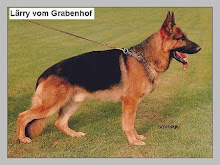
Are you the athletic type that has considered starting a sports activity program that you and your dog can both enjoy together? Would you like to see him jump high into the air and catch a high-speed disc or retrieve a ball thrown out of visibility into a trial-area? Or maybe go through a maze in an obstacle course and watch your buddy come through with tremendous accuracy?
If this interests you, then you’ll be happy to know that there are several sports activities that you and your canine friend can both participate in. Dog sports such as agility, obedience trials, musical freestyle, canicross, disc dog, field trials, and many others are becoming more and more popular among dog enthusiasts, and for various reasons:
1. It is a great way to exercise your dog and keep him in great shape
2. It provides an excellent opportunity for you and your dog to connect on a different level.
3. It is a great way to meet like-minded dog lovers.
Warning: We strongly encourage that you take your dog to the vet for a complete physical check-up before starting any kind of sport. This is to ensure that he is in healthy shape and not suffering from any type of physical condition that can hinder his performance or cause harm to the animal.
Two Factors To Consider When Picking A Sport
What type of activity or sport does your dog like to do, one that he does really well with? If you already know the answer to this question, then the next step is to just get familiar with the types of dog sports that are out there and pick one that you think best matches your dog’s favorite activity.
However, if your dog is not currently engaged in any kind of activity, consider the following factors:
1. His breed. Your dog’s genetics play an important part of the type of activity that he may enjoy, as well as his ability to perform that specific activity. Understanding his history and heritage makes it easier for you to find a sport or activity that is most suited for his breed.
Learn more about your breed. Find out what type of job his ancestors did and what they were originally bred to do. For instance, most, if not all dog breeds from the spaniel or retriever family, will do great in water sports and retrieving, although it doesn’t mean that water sports and retrieving are the only two things that you should consider.
2. His personality. In addition to his physical abilities, you also need to consider his personality. Some dogs love nothing more than to run a long distance course or catch a flying ball. These dogs will definitely do well in many types of dog sporting events. Other dogs are a little slow at first, but with right training and motivation, they too can have fun and benefit from participating in canine sports.
Showing posts with label aggression in dogs. Show all posts
Showing posts with label aggression in dogs. Show all posts
Thursday, August 13, 2009

Wednesday, August 5, 2009
Identification: How To Ensure That Every Lost Dog Arrives Home Safe & Sound
Identification for your dog could easily be compared to insurance – you are glad you have it but you hope you never have to use it!
However, if you do, you'll feel safe and secure knowing that it's there. When it comes to your dog, and especially small puppies, you never know when they might accidentally slip out the back door and having proper identification can mean the difference between getting your lovable pet back into your arms, or losing her forever!
What Is The Best Type Of Identification For My Dog?
There are several types of identification that can be used to help identify your dog if he or she was ever to become lost. To give you a clear idea of each type so that you can make an informed decision on how to secure your dog, here is the list:
1. Basic Tags and Collars: This type of identification is fairly inexpensive and can be taken care of quickly. You can order metal or plastic tags that have your address and phone number imprinted on them. The tag will then be attached to the dog's collar. This form of identification is also easy to spot and anybody who sees a dog running loose can simply look down and check to see what family he belongs to.
Unfortunately, these tags can also be easily removed or torn off. If your dog or puppy loses this identification then there is very little chance of getting him back. Their are also thieves out there who will be more than happy to see a puppy roaming around by himself and remove its collar in order to take it home.
2. Microchips: Microchips for dogs and other house pets have been around for quite some time. Originally, every microchip that was functioning in the United States were set on a frequency signal of 125kHz. Now microchips are functioning with a 134.2kHz in order to conform to internationally used microchip systems.
Microchip identification is surgically implanted into your dog underneath the skin and generally in between the shoulder blades. The size is no bigger than a grain of rice and this small chip contains the owner's contact information that is uploaded to a national database. It takes a special scanner to read the number on each microchip. These scanners are usually available at many veterinarian facilities and animal shelters.
3. Tattoo Identification: Identification by tattoo is a third option that can be done quite easy and is typically inexpensive. Most of the time these tattoos will list your phone number and the puppy's name. The ears or stomach area is typically the location that a tattoo will be imprinted. The only cons are that tattoos can fade in time and even altered.
However, if you do, you'll feel safe and secure knowing that it's there. When it comes to your dog, and especially small puppies, you never know when they might accidentally slip out the back door and having proper identification can mean the difference between getting your lovable pet back into your arms, or losing her forever!
What Is The Best Type Of Identification For My Dog?
There are several types of identification that can be used to help identify your dog if he or she was ever to become lost. To give you a clear idea of each type so that you can make an informed decision on how to secure your dog, here is the list:
1. Basic Tags and Collars: This type of identification is fairly inexpensive and can be taken care of quickly. You can order metal or plastic tags that have your address and phone number imprinted on them. The tag will then be attached to the dog's collar. This form of identification is also easy to spot and anybody who sees a dog running loose can simply look down and check to see what family he belongs to.
Unfortunately, these tags can also be easily removed or torn off. If your dog or puppy loses this identification then there is very little chance of getting him back. Their are also thieves out there who will be more than happy to see a puppy roaming around by himself and remove its collar in order to take it home.
2. Microchips: Microchips for dogs and other house pets have been around for quite some time. Originally, every microchip that was functioning in the United States were set on a frequency signal of 125kHz. Now microchips are functioning with a 134.2kHz in order to conform to internationally used microchip systems.
Microchip identification is surgically implanted into your dog underneath the skin and generally in between the shoulder blades. The size is no bigger than a grain of rice and this small chip contains the owner's contact information that is uploaded to a national database. It takes a special scanner to read the number on each microchip. These scanners are usually available at many veterinarian facilities and animal shelters.
3. Tattoo Identification: Identification by tattoo is a third option that can be done quite easy and is typically inexpensive. Most of the time these tattoos will list your phone number and the puppy's name. The ears or stomach area is typically the location that a tattoo will be imprinted. The only cons are that tattoos can fade in time and even altered.
Friday, July 24, 2009
Backyard Dangers: Why Your Dog's Life May Be In Danger!
Have you considered that your dog's life may be in danger just from him hanging out in your backyard? Regardless if the area is fenced in and seemingly safe from danger, you would be surprised at what may be hiding, ready to hurt or even kill your lovable canine companion.
Your backyard may be a dog's paradise, but the area can be fraught with danger, especially if you have a puppy that is young, adventurous, and going through that oral fixation phase where he must chew on anything he can find.
The worst age bracket for this problem is between 1 and 6 months, however, other types of dogs, such as Golden retrievers as a prime example, seem to carry this chewing habit with them for the rest of their lives.
Beware Of The Following Backyard Dangers
As a busy dog owner, you may not have the time or the resources to properly research many aspects of raising an adult dog or puppy, therefore, below is a list of the most common dangers may be that lurking in your backyard.
This list is compiled from reports as outlined by the American Society For The Prevention Of Cruelty To Animals (ASPCS).
* Fertilizers and compost piles.
* Ornamental ponds that contain blue-green algae.
* Toxins created by animals such as insects, toads, spiders, scorpions, and snakes.
* Poison from citronella candles which are used to guard against mosquitoes.
* Swimming pool supplies and treatment chemicals.
* Mulch that contains Cocoa, which are typically placed around shrubs and other plants.
* Fly traps which contain methomyl.
* Poisonous plants like grape vines, azalea, castor bean, sago palm, and kalanchoe.
* Snail and slug traps which contain metaldehyde.
Be as proactive as you can by puppy-proofing not only the yard area, but the inside of your home as well. Close garbage cans tightly. Lock up all pool supplies. Put away your lawn and garden materials.
Further protect your animals by following the instructions carefully given on pesticide products, fertilizers, bug sprays, and other hazardous materials. I would even go as far as investigating all-natural products that can be used to replace these poisonous dangers. Ask your veterinarian or your local landscaper for some recommendations.
And if you ever suspect that your dog or puppy has ingested a dangerous poison, chemical, or is bitten by a venomous predator, contact your veterinarian or call the APCC: (888) 426-4435.
Your backyard may be a dog's paradise, but the area can be fraught with danger, especially if you have a puppy that is young, adventurous, and going through that oral fixation phase where he must chew on anything he can find.
The worst age bracket for this problem is between 1 and 6 months, however, other types of dogs, such as Golden retrievers as a prime example, seem to carry this chewing habit with them for the rest of their lives.
Beware Of The Following Backyard Dangers
As a busy dog owner, you may not have the time or the resources to properly research many aspects of raising an adult dog or puppy, therefore, below is a list of the most common dangers may be that lurking in your backyard.
This list is compiled from reports as outlined by the American Society For The Prevention Of Cruelty To Animals (ASPCS).
* Fertilizers and compost piles.
* Ornamental ponds that contain blue-green algae.
* Toxins created by animals such as insects, toads, spiders, scorpions, and snakes.
* Poison from citronella candles which are used to guard against mosquitoes.
* Swimming pool supplies and treatment chemicals.
* Mulch that contains Cocoa, which are typically placed around shrubs and other plants.
* Fly traps which contain methomyl.
* Poisonous plants like grape vines, azalea, castor bean, sago palm, and kalanchoe.
* Snail and slug traps which contain metaldehyde.
Be as proactive as you can by puppy-proofing not only the yard area, but the inside of your home as well. Close garbage cans tightly. Lock up all pool supplies. Put away your lawn and garden materials.
Further protect your animals by following the instructions carefully given on pesticide products, fertilizers, bug sprays, and other hazardous materials. I would even go as far as investigating all-natural products that can be used to replace these poisonous dangers. Ask your veterinarian or your local landscaper for some recommendations.
And if you ever suspect that your dog or puppy has ingested a dangerous poison, chemical, or is bitten by a venomous predator, contact your veterinarian or call the APCC: (888) 426-4435.
Friday, July 3, 2009
The Best Dog Breeds for Families
There’s nothing quite like the family dog. It’s almost a slice of Americana. In ever cheesy fifties image of the Perfect American Family we see a nice little house with a white picket fence, Mom and Dad, two children (usually a boy and a girl), and a family pooch happily prancing around the yard. As clichéd as that image may be, the fact remains that people love dogs and some families just don’t feel right without a family dog.
When choosing a dog for a family, there are important traits to keep in mind. Some breeds of dog are wonderful for families while others simply don’t have the proper temperament to deal with family life. They may be too rough with small children, to needy of their own space to deal with the incessant coming and going of a large family, or simply too naturally aggressive to respond well to a family setting. Other breeds are just perfect fits for family life. Here are some of the best dog breeds for families.
Golden Retrievers
Originally bred as a bird dog (like most retrievers), the Golden retriever is an amazingly loyal and very protective breed. They are perfect for families that enjoy outdoor activities because they love to run, jump, and play.
Irish Setters
Irish Setters are known for their pleasant personalities and their eagerness to please humans. They were also originally bred as hunting dogs and can serve well in this capacity, but it is their aptitude for companionship that makes them a beloved family breed.
Collies
The Collie may be one of the breeds most easily associated with the qualities of a family dog due to the popularity of the Lassie television programs. Collies are characterized by a combination of intelligence and patience uncommon in other breeds.
Boxers
Boxers look large and scary and have a deep, resonating bark that makes intruders wary, but they are truly gentle, loving, and loyal dogs. Their size may make families with small children want to wait a few years before owning one, but they are a perfect family pet once the kids are a little older.
Newfoundland
Remember the dog “Hooch” from the Tom Hanks movie Turner and Hooch? This is Hooch, a big, friendly, loving pooch. They tend to slobber and drool rather excessively, but the Newfoundland is a loving and protective pet. Like the boxer, the dog’s size may be of some concern, but it will be hard to find a more loyal dog for a family than this breed.
When choosing a dog for a family, there are important traits to keep in mind. Some breeds of dog are wonderful for families while others simply don’t have the proper temperament to deal with family life. They may be too rough with small children, to needy of their own space to deal with the incessant coming and going of a large family, or simply too naturally aggressive to respond well to a family setting. Other breeds are just perfect fits for family life. Here are some of the best dog breeds for families.
Golden Retrievers
Originally bred as a bird dog (like most retrievers), the Golden retriever is an amazingly loyal and very protective breed. They are perfect for families that enjoy outdoor activities because they love to run, jump, and play.
Irish Setters
Irish Setters are known for their pleasant personalities and their eagerness to please humans. They were also originally bred as hunting dogs and can serve well in this capacity, but it is their aptitude for companionship that makes them a beloved family breed.
Collies
The Collie may be one of the breeds most easily associated with the qualities of a family dog due to the popularity of the Lassie television programs. Collies are characterized by a combination of intelligence and patience uncommon in other breeds.
Boxers
Boxers look large and scary and have a deep, resonating bark that makes intruders wary, but they are truly gentle, loving, and loyal dogs. Their size may make families with small children want to wait a few years before owning one, but they are a perfect family pet once the kids are a little older.
Newfoundland
Remember the dog “Hooch” from the Tom Hanks movie Turner and Hooch? This is Hooch, a big, friendly, loving pooch. They tend to slobber and drool rather excessively, but the Newfoundland is a loving and protective pet. Like the boxer, the dog’s size may be of some concern, but it will be hard to find a more loyal dog for a family than this breed.
Monday, June 29, 2009
Biking With Your Dog – How To Have Safe Fun By Biking With Your Dog
Most dogs love to run, and some breeds are physically bred for speed and endurance, such as the Greyhound, who can run up to 45 mph. Other dogs that are built for speed are the Afghan Hound and the Saluki. But regardless of the breed or the size of your dog, expect that he can enjoy a good jog in the park, or even a quick run around the block. And if riding a bicycle is something that you enjoy doing, taking your dog with you (depending on his size and physical condition) is a wonderful way to spend time with him while getting and good workout yourself at the same time.
Bike Rides Can Be Safe
If you usually ride your bicycle around town or in your neighborhood, it won't be difficult for your dog to keep up with you. The safest way for riding a bike with your dog in this type of location is to keep him on a lead. There are products out there, such as the Springer and the Walkiedog, that keeps both your hands on the handlebars while giving you the ability to keep your dog on leash at the same time. These two products can be easily mounted under the bike seat and offer protection and comfort for both you and your dog.
Problem With Distraction?
Your dog will less likely get bothered by distractions if he knows how to heel. Therefore, practice his obedience skills like “Off”, and “Leave it” before you begin your ride. Also, make sure you bring along his favorite snack. Whenever he comes across a distraction, tell him to “Leave it” and then give him a snack. It'll be easier for him to pay attention to you, above anything else, because he knows that you brought along his favorite snack. Also do this exercise before you ride.
Don't Forget The Basic Commands
If you like to ride along trails, bringing your dog with is one of the best treats you can give him. With a little basic training, your dog can be the best companion for a mountain biker.
In fact, there are a lot of mountain biking spots that you and your buddy can go where dogs can run free without a leash, such as along the trails of a National Forest, as long as you can keep your dog under your control and under voice command. Therefore, practice the Heel and the Come command until you are confident that your dog is able to obey you 100% of the time.
Bike Rides Can Be Safe
If you usually ride your bicycle around town or in your neighborhood, it won't be difficult for your dog to keep up with you. The safest way for riding a bike with your dog in this type of location is to keep him on a lead. There are products out there, such as the Springer and the Walkiedog, that keeps both your hands on the handlebars while giving you the ability to keep your dog on leash at the same time. These two products can be easily mounted under the bike seat and offer protection and comfort for both you and your dog.
Problem With Distraction?
Your dog will less likely get bothered by distractions if he knows how to heel. Therefore, practice his obedience skills like “Off”, and “Leave it” before you begin your ride. Also, make sure you bring along his favorite snack. Whenever he comes across a distraction, tell him to “Leave it” and then give him a snack. It'll be easier for him to pay attention to you, above anything else, because he knows that you brought along his favorite snack. Also do this exercise before you ride.
Don't Forget The Basic Commands
If you like to ride along trails, bringing your dog with is one of the best treats you can give him. With a little basic training, your dog can be the best companion for a mountain biker.
In fact, there are a lot of mountain biking spots that you and your buddy can go where dogs can run free without a leash, such as along the trails of a National Forest, as long as you can keep your dog under your control and under voice command. Therefore, practice the Heel and the Come command until you are confident that your dog is able to obey you 100% of the time.
Wednesday, June 10, 2009
Dog Travel – Keeping Your Dog Safe When Traveling By Airplane
When you have to fly your dog by plane in order to travel to a new destination, the last thing most of us want is to stuff him in a box while he sits in the cargo area during the entire flight. Unfortunately, if you have no other choice but to use the airlines for your travel needs, your dog will have be placed in a crate for the flight.
Your job here is to make sure your dog or puppy is as comfortable as he possibly can be. Below are a few tips to help you prepare him for the flight:
1. You are going to have to invest in a USDA approved kennel that is designed for travel and should be custom fit to the size of your dog. Be sure that the kennel unit is stable and provides enough room for your dog or puppy to stand up in, as well as offers the ability for him to turn around if he needs to.
2. Never wait until the day of your flight to put your dog inside the kennel. Dogs do adapt easily, however, it is best to get him comfortable with the crate so that he will be a little more at ease. You can do this by having him sleep inside the kennel each night before your travel date. Three nights of this arrangement before the day of the flight is plenty of time.
3. If you know your flight will be longer than 10 to 12 hours, be sure to tape a small bag of dog food outside the crate, complete with feeding instructions.
4. For your own peace of mind and to avoid the small chance that your dog could miss his destination, write the destination of your flight on the top portion of the crate in big letters. Be sure to include your full name and address, as well as a phone number where you can be contacted.
5. It is best not to feed your dog within six hours of the flight. This will help reduce the chances of him having an accident and using the bathroom inside of the kennel.
6. In case your dog or puppy does happen to have a mess while flying, prep the kennel with a light layer of paper and bedding so that the urine and stools can be absorbed as best possible.
7. To avoid your dog from becoming dehydrated during the flight, place two bowls inside the kennel, one filled with a small amount of water, and the other filled with ice. The ice bowl will melt away bit by bit and provide plenty of fluids hours later.
8. Last but not least, if you have a very small dog like a chihuahua or a toy poodle, see if you can arrange to have a small crate to put your dog in that can fit underneath your seat. Do not wait until the last minute to talk with the airlines about this arrangement. Find out if boarding the flight with your small dog under your seat is possible as early as you can.
Your job here is to make sure your dog or puppy is as comfortable as he possibly can be. Below are a few tips to help you prepare him for the flight:
1. You are going to have to invest in a USDA approved kennel that is designed for travel and should be custom fit to the size of your dog. Be sure that the kennel unit is stable and provides enough room for your dog or puppy to stand up in, as well as offers the ability for him to turn around if he needs to.
2. Never wait until the day of your flight to put your dog inside the kennel. Dogs do adapt easily, however, it is best to get him comfortable with the crate so that he will be a little more at ease. You can do this by having him sleep inside the kennel each night before your travel date. Three nights of this arrangement before the day of the flight is plenty of time.
3. If you know your flight will be longer than 10 to 12 hours, be sure to tape a small bag of dog food outside the crate, complete with feeding instructions.
4. For your own peace of mind and to avoid the small chance that your dog could miss his destination, write the destination of your flight on the top portion of the crate in big letters. Be sure to include your full name and address, as well as a phone number where you can be contacted.
5. It is best not to feed your dog within six hours of the flight. This will help reduce the chances of him having an accident and using the bathroom inside of the kennel.
6. In case your dog or puppy does happen to have a mess while flying, prep the kennel with a light layer of paper and bedding so that the urine and stools can be absorbed as best possible.
7. To avoid your dog from becoming dehydrated during the flight, place two bowls inside the kennel, one filled with a small amount of water, and the other filled with ice. The ice bowl will melt away bit by bit and provide plenty of fluids hours later.
8. Last but not least, if you have a very small dog like a chihuahua or a toy poodle, see if you can arrange to have a small crate to put your dog in that can fit underneath your seat. Do not wait until the last minute to talk with the airlines about this arrangement. Find out if boarding the flight with your small dog under your seat is possible as early as you can.
Monday, June 8, 2009
Dog Travel – How To Make The long Road Trip More Comfortable For Your
Dog Travel – How To Make The long Road Trip More Comfortable For Your Dog
Traveling with your puppy or dog can be a lot of fun. It's a great way to bond with your pet while experiencing new places along the way. If your road trip is going to be a long one then you need to take a few extra steps to plan accordingly and ensure that you and your puppy get to your destination safe and happy. Here are a few suggestions that can help:
1. The last thing you want to do is have to clean up the nasty mess of diarrhea inside your car. And your puppy or dog can easily give you this headache when you do not stick to his regular feeding times and with his normal food. It is very easy to feed your dog inconsistently when you are making a long trip by car. However, it will be best for both of you if you bring along bags of his normal food and only feed him at the same time you would at home.
2. Although it is obvious that you do not plan on ever losing sight of your dog during your travels, you should still make sure that his collar is secured tightly and that he has updated identification tags. If for some reason you're making a temporary stay for more than a day at a location until you arrive at your final destination, add an additional identification tag that has the address and phone number of that temporary location.
3. When you make a pit stop along the way, always leash your dog before he gets out of the car and keep a tight grip on him. Because he is in unfamiliar territory and may scare easily, the instinct to dart and run off may be strong. Keeping him tightly leashed will prevent this nightmare from happening.
4. Try to avoid traveling by car during weather periods of extreme heat and high levels of humidity. Dogs do not do well in this type of climate and if you must travel when it's hot then be sure your vehicle is equipped with a dependable air-conditioning system.
5. Every time you stop for a break during the trip, make sure you give your dog a few moments to exercise. Take your dog for a short walk or run him around the block. This will help get his blood flowing so that he can relax better for the next few hours of the ride.
6. Last but not least, as much as it is common sense, do not keep your dog in your car with the doors locked and windows rolled up. This is just basic safety advice that every person should know already, but unfortunately there are many accidents where dog's die from heat stroke while sitting in a car during boiling hot weather.
Traveling with your puppy or dog can be a lot of fun. It's a great way to bond with your pet while experiencing new places along the way. If your road trip is going to be a long one then you need to take a few extra steps to plan accordingly and ensure that you and your puppy get to your destination safe and happy. Here are a few suggestions that can help:
1. The last thing you want to do is have to clean up the nasty mess of diarrhea inside your car. And your puppy or dog can easily give you this headache when you do not stick to his regular feeding times and with his normal food. It is very easy to feed your dog inconsistently when you are making a long trip by car. However, it will be best for both of you if you bring along bags of his normal food and only feed him at the same time you would at home.
2. Although it is obvious that you do not plan on ever losing sight of your dog during your travels, you should still make sure that his collar is secured tightly and that he has updated identification tags. If for some reason you're making a temporary stay for more than a day at a location until you arrive at your final destination, add an additional identification tag that has the address and phone number of that temporary location.
3. When you make a pit stop along the way, always leash your dog before he gets out of the car and keep a tight grip on him. Because he is in unfamiliar territory and may scare easily, the instinct to dart and run off may be strong. Keeping him tightly leashed will prevent this nightmare from happening.
4. Try to avoid traveling by car during weather periods of extreme heat and high levels of humidity. Dogs do not do well in this type of climate and if you must travel when it's hot then be sure your vehicle is equipped with a dependable air-conditioning system.
5. Every time you stop for a break during the trip, make sure you give your dog a few moments to exercise. Take your dog for a short walk or run him around the block. This will help get his blood flowing so that he can relax better for the next few hours of the ride.
6. Last but not least, as much as it is common sense, do not keep your dog in your car with the doors locked and windows rolled up. This is just basic safety advice that every person should know already, but unfortunately there are many accidents where dog's die from heat stroke while sitting in a car during boiling hot weather.
Tuesday, June 2, 2009
Dog Travel: More Helpful Tips When Traveling With The Family Dog
When you’re planning your next family trip, everyone is likely to be thrilled and will have more fun if you take the family dog along. Whether you are planning to travel by car, plane, train, or ship, in hot or cold weather - traveling with your dog doesn’t have to be difficult for you or your canine pal if you follow these simple pet travel tips:
1. Are you traveling outside of your home state or to another country? Make sure that you obtain an up-to-date canine travel document from the places you plan to visit. Most states and foreign countries require a health certificate from your vet including a statement that your dog has had his rabies shot. If you are going out of the country, you will also need these papers from a vet to get him back into a United States. And find out early about quarantine rules.
2. Advanced training in car etiquette will keep your dog safer, which means more pleasant traveling experiences for you and the other passengers on any car trip you take. It’s best to start him out on short drives, if possible, when he is still a puppy. Hold him on your lap or on the seat beside you to give him confidence. Right from the start, do not permit leaping in the car or any chance of jostling the driver. Helping your dog get accustomed to the sensation of motion in short stages will help greatly in preventing car sickness.
3. Your dog should have on his collar, a license tag, and identification plate which gives his full name, address, and contact number of a trusted person in case your pet is lost. However, you should take precautions against his straying and keep him on a leash in strange areas. Never let him run loose without supervision, regardless of how well-behaved and well-trained he is. Do not leave him alone in a hotel or motel room – it is easy for a room attendant to open a door and accidentally let your dog out.
4. Your dog will feel more at home, while in strange places, if you take along some familiar items like his favorite toy, his own grooming supplies, and feeding bowl. A small kit or suitcase for carrying these supplies is a great idea. A large plastic container is useful for carrying drinking water. He will also appreciate his own dog bed or blanket when you stay in a motel or hotel (and you can bet the proprietor will be grateful too).
5. Feeding while traveling doesn’t have to be a problem these days. Purchase soft-moist dog food, which is ideal for the traveling dog, since these foods do not require refrigeration and are easy to take along and serve. With his favorite food along, it will be easier for your dog to become used to the routine of traveling.
1. Are you traveling outside of your home state or to another country? Make sure that you obtain an up-to-date canine travel document from the places you plan to visit. Most states and foreign countries require a health certificate from your vet including a statement that your dog has had his rabies shot. If you are going out of the country, you will also need these papers from a vet to get him back into a United States. And find out early about quarantine rules.
2. Advanced training in car etiquette will keep your dog safer, which means more pleasant traveling experiences for you and the other passengers on any car trip you take. It’s best to start him out on short drives, if possible, when he is still a puppy. Hold him on your lap or on the seat beside you to give him confidence. Right from the start, do not permit leaping in the car or any chance of jostling the driver. Helping your dog get accustomed to the sensation of motion in short stages will help greatly in preventing car sickness.
3. Your dog should have on his collar, a license tag, and identification plate which gives his full name, address, and contact number of a trusted person in case your pet is lost. However, you should take precautions against his straying and keep him on a leash in strange areas. Never let him run loose without supervision, regardless of how well-behaved and well-trained he is. Do not leave him alone in a hotel or motel room – it is easy for a room attendant to open a door and accidentally let your dog out.
4. Your dog will feel more at home, while in strange places, if you take along some familiar items like his favorite toy, his own grooming supplies, and feeding bowl. A small kit or suitcase for carrying these supplies is a great idea. A large plastic container is useful for carrying drinking water. He will also appreciate his own dog bed or blanket when you stay in a motel or hotel (and you can bet the proprietor will be grateful too).
5. Feeding while traveling doesn’t have to be a problem these days. Purchase soft-moist dog food, which is ideal for the traveling dog, since these foods do not require refrigeration and are easy to take along and serve. With his favorite food along, it will be easier for your dog to become used to the routine of traveling.
Friday, May 29, 2009
Dog Travel: Helpful Tips While Traveling With Your Dog
To ensure fun, stress-free travel with your canine pal, follow these 5 simple tips:
1. With experience, most dogs get over the tendency to become sick when riding in a moving vehicle. However, some will almost always get queasy. In such cases, you should ask your veterinarian to prescribe a motion sickness pill or a sedative.
2. Do not try to sneak your dog into a motel or hotel. If you are caught doing this, you will just make it very hard for people with dogs who come along after you. There are many great places that accommodate well-behaved dogs. An extensive directory of motels and hotels that accommodates pets can be obtained online or from your preferred travel agency.
3. When aboard trains, dogs are usually permitted in private room spaces, sleepers, or parlor cars – so long as they are kept either in a carrier or leashed up (muzzled in some cases). Otherwise, on most trains, dogs have to ride in the baggage car, where owners are permitted to look after them.
4. Major passenger airlines carry dogs to foreign countries or across the country. If you are traveling by ship, you’ll be glad to know that many ocean liners provide private cabin-like areas for canine passengers. For an added touch of luxury while traveling by sea, there may also be trained attendants on hand to feed, groom, and even play with them.
5. When shipping a dog, it will be necessary to make arrangements with the ship line, airline, or railway express. Some airlines use their own crates while others have them available for rent. The crate must be large enough to permit the dog to stand up, turn around, and lie down. The crate should also have enough room for your dog’s water and/or food bowl. And, depending on the length of travel, the following should be printed on the crate and on a tag attached to the dog’s collar: your name and address, the dog’s place of destination, and his “call command” name. Any instructions for attendants should also be clearly printed on the crate.
Final Dog Travel Tip
Finally, keep in mind that no matter which method you choose to go by, whether by car, by sea, or by air, your fellow travelers will happily accept your dog’s company if he behaves like a “lady” or a “gentleman”.
More than likely, a well-trained dog who does not cause serious problems at home – as the result of proper training and loving care – will be a pleasure to travel with as well.
1. With experience, most dogs get over the tendency to become sick when riding in a moving vehicle. However, some will almost always get queasy. In such cases, you should ask your veterinarian to prescribe a motion sickness pill or a sedative.
2. Do not try to sneak your dog into a motel or hotel. If you are caught doing this, you will just make it very hard for people with dogs who come along after you. There are many great places that accommodate well-behaved dogs. An extensive directory of motels and hotels that accommodates pets can be obtained online or from your preferred travel agency.
3. When aboard trains, dogs are usually permitted in private room spaces, sleepers, or parlor cars – so long as they are kept either in a carrier or leashed up (muzzled in some cases). Otherwise, on most trains, dogs have to ride in the baggage car, where owners are permitted to look after them.
4. Major passenger airlines carry dogs to foreign countries or across the country. If you are traveling by ship, you’ll be glad to know that many ocean liners provide private cabin-like areas for canine passengers. For an added touch of luxury while traveling by sea, there may also be trained attendants on hand to feed, groom, and even play with them.
5. When shipping a dog, it will be necessary to make arrangements with the ship line, airline, or railway express. Some airlines use their own crates while others have them available for rent. The crate must be large enough to permit the dog to stand up, turn around, and lie down. The crate should also have enough room for your dog’s water and/or food bowl. And, depending on the length of travel, the following should be printed on the crate and on a tag attached to the dog’s collar: your name and address, the dog’s place of destination, and his “call command” name. Any instructions for attendants should also be clearly printed on the crate.
Final Dog Travel Tip
Finally, keep in mind that no matter which method you choose to go by, whether by car, by sea, or by air, your fellow travelers will happily accept your dog’s company if he behaves like a “lady” or a “gentleman”.
More than likely, a well-trained dog who does not cause serious problems at home – as the result of proper training and loving care – will be a pleasure to travel with as well.
Tuesday, May 26, 2009
Dog's Worst Enemy – Man
Mark Twain once said, “If you pick up a dog and make him prosperous, he will not bit you. This is the principle difference between a dog and a man.”
Unlike fair weather friends, a dog cares little whether he is fed scraps in a cheap tin bowl or choice meats in a glass dish engraved in his name. He faithfully follows his owner over highly polished floors in a mansion as well as course boards in a cold, rundown apartment.
It matters not to him whether the hand that strokes his back is shaky and wrinkled or its fingers well manicured and soft. When given the slightest measure of affection, the dog will return it with interest.
The dog is the only domestic animal which has served man faithfully since the Middle Stone Age. From Michelangelo's Pomeranian, Napoleon's Fox Terrier, Lincoln's Teddy, or Roosevelt's pooches, dogs have always been part of man's life.
In spite of the long relationship between dog and man, some still fail to understand the animal's need or comprehend his nature. There are individuals who buy a dog as they would purchase a ticket at a race track, hoping to gain. When their expectations do not come true, the ticket, or dog, is discarded.
Anyone determined to have a perfect house instead of a lived-in home should never buy a dog. The animal will cover rugs with hair, may upset the furniture, and of course cause trouble now and again, even after being trained.
When Dog's “Go Human”
Another mistake often made is imposing human standards upon a dog. Although he can and should be trained, he must also be allowed to live as an animal. Dogs are made to run, not to vegetate on silk pillows. Nature endows him with a protective coat and, unless a dog is sick, he does not require turtle-neck sweaters or mink capes.
Some people handcuff a dog's paws with diamond bracelets and bejeweled wrist watches, and dress them in coats to match their own. They blithely ignore the fact that dogs cannot tell time nor appreciate luxury as long as the owners can make him a bulletin board of their wealth or subject of discussion at a cocktail party.
The pleasures and needs of humans are not necessarily those of dogs. If he is forced into a mold alien to his nature, he can become a misfit. The increasing number of dog psychologists would decrease greatly if man would use his power of reason, which is what supposedly separates him from other animals.
Remember...
In this selfish world, dog is man's most unselfish friend. In cities, he is a link between the cold, unfeeling jungle of skyscrapers and the warmth and pleasures of a responsive member of nature. Children, confined to apartments, save themselves from boredom by playing with and caring for a dog. Workers, returning home after a long day of stress and labor, feel comfortable and comforted with a dog waiting at the door, showering them with affection, and sharing their love by sitting at their feet.
Unlike fair weather friends, a dog cares little whether he is fed scraps in a cheap tin bowl or choice meats in a glass dish engraved in his name. He faithfully follows his owner over highly polished floors in a mansion as well as course boards in a cold, rundown apartment.
It matters not to him whether the hand that strokes his back is shaky and wrinkled or its fingers well manicured and soft. When given the slightest measure of affection, the dog will return it with interest.
The dog is the only domestic animal which has served man faithfully since the Middle Stone Age. From Michelangelo's Pomeranian, Napoleon's Fox Terrier, Lincoln's Teddy, or Roosevelt's pooches, dogs have always been part of man's life.
In spite of the long relationship between dog and man, some still fail to understand the animal's need or comprehend his nature. There are individuals who buy a dog as they would purchase a ticket at a race track, hoping to gain. When their expectations do not come true, the ticket, or dog, is discarded.
Anyone determined to have a perfect house instead of a lived-in home should never buy a dog. The animal will cover rugs with hair, may upset the furniture, and of course cause trouble now and again, even after being trained.
When Dog's “Go Human”
Another mistake often made is imposing human standards upon a dog. Although he can and should be trained, he must also be allowed to live as an animal. Dogs are made to run, not to vegetate on silk pillows. Nature endows him with a protective coat and, unless a dog is sick, he does not require turtle-neck sweaters or mink capes.
Some people handcuff a dog's paws with diamond bracelets and bejeweled wrist watches, and dress them in coats to match their own. They blithely ignore the fact that dogs cannot tell time nor appreciate luxury as long as the owners can make him a bulletin board of their wealth or subject of discussion at a cocktail party.
The pleasures and needs of humans are not necessarily those of dogs. If he is forced into a mold alien to his nature, he can become a misfit. The increasing number of dog psychologists would decrease greatly if man would use his power of reason, which is what supposedly separates him from other animals.
Remember...
In this selfish world, dog is man's most unselfish friend. In cities, he is a link between the cold, unfeeling jungle of skyscrapers and the warmth and pleasures of a responsive member of nature. Children, confined to apartments, save themselves from boredom by playing with and caring for a dog. Workers, returning home after a long day of stress and labor, feel comfortable and comforted with a dog waiting at the door, showering them with affection, and sharing their love by sitting at their feet.
Monday, May 18, 2009
How To Approach Strange Dogs (Part 5)
How To Approach Strange Dogs (Part 5)
In previous articles, we have discussed ways to approach strange dogs. We have also identified different types of dog biters, how to show respect and proper behavior around strange dogs, as well as how to avoid being bitten.
If All Else Fails, Defend Yourself!
If you have observed all the general rules and precautions and still find yourself in the position of being attacked by a strange dog, your best defense is to shield your face and neck with your arms, exposing only the side of your body to the dog. Your actions should only be that of defense.
You should yell and make the most harrowing, alarming sound possible with your voice. Keep in mind that a dog does not trust anything that he doesn’t understand. You can confuse his current thought process by making strange, eerie noises, while at the same time calling for help with your cries.
Try To Keep The Dog Off Balance
Raising your knee to keep the dog off balance can help protect you against serious injuries. I have encountered a great example of this technique one day as a large German Shepherd bolted through an unlocked screen door. The object of the dog’s attack was a new mailman on his way to the mailbox.
Shielding his face and neck with his arms, the mailman cut loose with strange, ghastly sounds. The sounds stopped the German Shepherd cold in his tracks, created attention to every neighbor on the block, and the postman came out of the scene unharmed.
Talking with the mailman later, he admitted never having used the dog repellent spray that many mailmen carry with them for protection. He confessed that he has more confidence in his own method.
Some occupations have a high incidence of dog bites. Among the more noted of these are the mailman, meter readers, newspaper deliverers, pizza deliverers, solicitors, and trash collectors. Classified with the higher-risks would be the solicitors, or the door-to-door salesmen. If people who are in these occupations had a better understanding of what makes a dog bite, the incidence would be greatly reduced, maybe even completely eliminated. Children also suffer a high incidence rate because they panic, run, or force their attention on the dog.
So whether you are confronted with the protective biter or the fear biter, keep in mind the most important things: Let the dog come to you, at his own pace. Never force yourself on him, thinking that he’ll know right away that you are not a threat. Meet him on his level. Kneel down to his size and extend your arm with the back of your palm exposed for him to sniff. Let the dog take all the time he wants to decide whether or not to be your friend. When you are face-to-face with a strange dog, that investment in time can play a crucial role toward your safety.
In previous articles, we have discussed ways to approach strange dogs. We have also identified different types of dog biters, how to show respect and proper behavior around strange dogs, as well as how to avoid being bitten.
If All Else Fails, Defend Yourself!
If you have observed all the general rules and precautions and still find yourself in the position of being attacked by a strange dog, your best defense is to shield your face and neck with your arms, exposing only the side of your body to the dog. Your actions should only be that of defense.
You should yell and make the most harrowing, alarming sound possible with your voice. Keep in mind that a dog does not trust anything that he doesn’t understand. You can confuse his current thought process by making strange, eerie noises, while at the same time calling for help with your cries.
Try To Keep The Dog Off Balance
Raising your knee to keep the dog off balance can help protect you against serious injuries. I have encountered a great example of this technique one day as a large German Shepherd bolted through an unlocked screen door. The object of the dog’s attack was a new mailman on his way to the mailbox.
Shielding his face and neck with his arms, the mailman cut loose with strange, ghastly sounds. The sounds stopped the German Shepherd cold in his tracks, created attention to every neighbor on the block, and the postman came out of the scene unharmed.
Talking with the mailman later, he admitted never having used the dog repellent spray that many mailmen carry with them for protection. He confessed that he has more confidence in his own method.
Some occupations have a high incidence of dog bites. Among the more noted of these are the mailman, meter readers, newspaper deliverers, pizza deliverers, solicitors, and trash collectors. Classified with the higher-risks would be the solicitors, or the door-to-door salesmen. If people who are in these occupations had a better understanding of what makes a dog bite, the incidence would be greatly reduced, maybe even completely eliminated. Children also suffer a high incidence rate because they panic, run, or force their attention on the dog.
So whether you are confronted with the protective biter or the fear biter, keep in mind the most important things: Let the dog come to you, at his own pace. Never force yourself on him, thinking that he’ll know right away that you are not a threat. Meet him on his level. Kneel down to his size and extend your arm with the back of your palm exposed for him to sniff. Let the dog take all the time he wants to decide whether or not to be your friend. When you are face-to-face with a strange dog, that investment in time can play a crucial role toward your safety.
Thursday, May 14, 2009
How To Approach Strange Dogs (Part 4)
Dogs that are trained professionally as attack dogs, guard dogs, and patrol dogs, are trained to see through a person's disguise. In other words, a burglar who puts up an aura of fearlessness and confidence, thinking that he can dazzle a trained guard dog into believing the burglar is “Mr. Nice Guy” will be in for a surprise! For a well-trained dog, all the sweetness, fearlessness, and confidence in the world won’t win past his professionally trained senses.
Most household dogs are not professionally trained and act on instinct alone. It is this instinct that will eventually allow you to pass through, or stop you in your tracks. If you are approaching a house to visit friends, sell a product, deliver mail, read a meter, or anything else that’s considered legitimate, the protective biter will be able to sense that you are legitimate if you take the time to allow him to study you. The secret is in allowing the dog time to get acquainted.
Do not expect the dog to not bite just because his owners said so. Many dog owners have been mistaken at this assumption, leaving visitors injured by ignoring the dog’s warnings at the door. Even if your host insists that the dog is very friendly and has never bitten anyone, take the time to establish a connection with him.
Keep in mind that the host knows you’re an invited guest, but to the dog, you are an intruder in his home, his lair, his domain. Let the dog be the judge and give him time to make his judgment. Meet him on his level, talk to him, and give him the satisfaction of scent discrimination.
Approaching The Injured Dog
The Good Samaritan attempting to capture an obviously strayed, lost, starving, or homeless dog or a person trying to rescue an injured dog, often has his confidence crushed when he is bitten by the very dog he is trying to save. A dog does not trust a situation which he doesn’t understand. If he’s been hit by a car, he doesn’t understand why. He only knows that he’s hurt. Chances are that his only remaining defense is his mouth.
Talking friendly and softly to an injured dog while slowly securing his mouth shut will shift the odds in your favor. A belt, a piece of rope, or a strip of rag will suffice, immobilizing the dog’s mouth so that you can safely remove him to a safe location and administer first-aid treatment.
Keep in mind that, in an injured state, making friends is the farthest thing from a dog’s mind. His main thought is to survive and ward off any potential attackers that come in his way, including you, even though you are there to help.
Most household dogs are not professionally trained and act on instinct alone. It is this instinct that will eventually allow you to pass through, or stop you in your tracks. If you are approaching a house to visit friends, sell a product, deliver mail, read a meter, or anything else that’s considered legitimate, the protective biter will be able to sense that you are legitimate if you take the time to allow him to study you. The secret is in allowing the dog time to get acquainted.
Do not expect the dog to not bite just because his owners said so. Many dog owners have been mistaken at this assumption, leaving visitors injured by ignoring the dog’s warnings at the door. Even if your host insists that the dog is very friendly and has never bitten anyone, take the time to establish a connection with him.
Keep in mind that the host knows you’re an invited guest, but to the dog, you are an intruder in his home, his lair, his domain. Let the dog be the judge and give him time to make his judgment. Meet him on his level, talk to him, and give him the satisfaction of scent discrimination.
Approaching The Injured Dog
The Good Samaritan attempting to capture an obviously strayed, lost, starving, or homeless dog or a person trying to rescue an injured dog, often has his confidence crushed when he is bitten by the very dog he is trying to save. A dog does not trust a situation which he doesn’t understand. If he’s been hit by a car, he doesn’t understand why. He only knows that he’s hurt. Chances are that his only remaining defense is his mouth.
Talking friendly and softly to an injured dog while slowly securing his mouth shut will shift the odds in your favor. A belt, a piece of rope, or a strip of rag will suffice, immobilizing the dog’s mouth so that you can safely remove him to a safe location and administer first-aid treatment.
Keep in mind that, in an injured state, making friends is the farthest thing from a dog’s mind. His main thought is to survive and ward off any potential attackers that come in his way, including you, even though you are there to help.
Tuesday, May 12, 2009
How To Approach Strange Dogs (Part 3)
How To Approach Strange Dogs (Part 3)
The protective biter is something that’s altogether different than the indiscriminate biter and fear biter, as discussed in previous articles. The territorial instinct of the protective biter is inbred and he certainly cannot be blamed for what nature has given him. That is, unless he happens to be the spoiled dog who owns a favorite toy and dares any member of the family to even walk close to it.
It might even be a favorite rug in the kitchen or in the living room, and the dog is ready to fight anyone who comes near it. That type of protective biter needs some special training, rather than special understanding. He could seriously injure a family member before sufficient amounts of special understanding can be administered.
Never, Ever, Run Away!
In the protective biter, certain instincts are alerted at the approach of a suspicious person or at the approach of a stranger who acts in a suspicious way. One of the most dangerous things a person can do when confronted with a protective biter is to run. That action alone is enough to trigger the protective biter to act.
In training guard dogs for protection work, a running “villain” is precisely the way such training starts. Here, too is where children often make a big mistake. They panic, run, and they get bitten as a result of this reaction. But if they stand perfectly still, the chances of them getting bit are greatly reduced and, most likely, eliminated altogether.
Since it is difficult to tell whether the dog confronting you is a protective biter, you must keep in mind to do nothing that could be interpreted by the dog as suspicious. Again, you should kneel down to the dog’s level and let him come to you and be able to examine you. Let him decide at his own pace whether you are good or bad. This question may arise – can he actually smell that? Whether he can smell or merely sense it remains to be a mystery, but you can bet that he’ll know.
No Fear
You must never act scared in front of a protective dog. Even if your heart is beating fast and pumping adrenalin a gallon a minute, you must act in a nonchalant way and every movement you make must be natural.
In the case of the protective biter, slow, deliberate movements could very well be interpreted as suspicious movements by the dog. Think about a slow, apprehensive movement a burglar would be using as he sneaks into the night. This kind of movement may trigger the protective dog into aggressiveness.
By keeping all movements natural and by constantly talking to the dog in a warm, friendly and cheerful manner, you exhibit the appearance of confidence. You are showing the dog that you have nothing to hide and therefore, nothing to be scared of. To the protective dog, villains are always fearful, cowardly, distrustful, and reeking with badness. On the other hand, the good guy is always fearless, confident – but not dominant, and has nothing to hide.
The protective biter is something that’s altogether different than the indiscriminate biter and fear biter, as discussed in previous articles. The territorial instinct of the protective biter is inbred and he certainly cannot be blamed for what nature has given him. That is, unless he happens to be the spoiled dog who owns a favorite toy and dares any member of the family to even walk close to it.
It might even be a favorite rug in the kitchen or in the living room, and the dog is ready to fight anyone who comes near it. That type of protective biter needs some special training, rather than special understanding. He could seriously injure a family member before sufficient amounts of special understanding can be administered.
Never, Ever, Run Away!
In the protective biter, certain instincts are alerted at the approach of a suspicious person or at the approach of a stranger who acts in a suspicious way. One of the most dangerous things a person can do when confronted with a protective biter is to run. That action alone is enough to trigger the protective biter to act.
In training guard dogs for protection work, a running “villain” is precisely the way such training starts. Here, too is where children often make a big mistake. They panic, run, and they get bitten as a result of this reaction. But if they stand perfectly still, the chances of them getting bit are greatly reduced and, most likely, eliminated altogether.
Since it is difficult to tell whether the dog confronting you is a protective biter, you must keep in mind to do nothing that could be interpreted by the dog as suspicious. Again, you should kneel down to the dog’s level and let him come to you and be able to examine you. Let him decide at his own pace whether you are good or bad. This question may arise – can he actually smell that? Whether he can smell or merely sense it remains to be a mystery, but you can bet that he’ll know.
No Fear
You must never act scared in front of a protective dog. Even if your heart is beating fast and pumping adrenalin a gallon a minute, you must act in a nonchalant way and every movement you make must be natural.
In the case of the protective biter, slow, deliberate movements could very well be interpreted as suspicious movements by the dog. Think about a slow, apprehensive movement a burglar would be using as he sneaks into the night. This kind of movement may trigger the protective dog into aggressiveness.
By keeping all movements natural and by constantly talking to the dog in a warm, friendly and cheerful manner, you exhibit the appearance of confidence. You are showing the dog that you have nothing to hide and therefore, nothing to be scared of. To the protective dog, villains are always fearful, cowardly, distrustful, and reeking with badness. On the other hand, the good guy is always fearless, confident – but not dominant, and has nothing to hide.
Subscribe to:
Posts (Atom)