
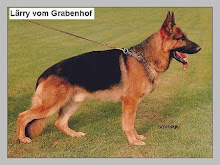
For many centuries now, humans have totally domesticated dogs. We have brought them into our society and, in most cases, expected them to act like us and to be a regular part of our families. We should accept that fact that, in doing so, we have caused some of our own human emotions to develop in our dogs. Dogs have learned to become jealous, neurotic, spiteful, hateful, and bored.
In adolescent dogs, between the ages of six to sixteen months, we find that these emotions cannot be controlled as easily as the same emotions in adult dogs. The same can be expressed by a human teenager’s capability of exercising mature restraint when affected by the same emotions.
Can You Spare 15 Minutes?
The most common cause of chronic chewing is boredom, and if every dog owner would spend a little more time each day giving his full attention and love to his pet, much of the “boredom chewing” can be eliminated. Fifteen minutes a day is all it takes, it’s just that easy!
The Spiteful Boxer
Spite, another motivating factor, should also be considered. A story about a twenty-month old Boxer would be a great example in this case. Ever since he was a puppy, this Boxer had been an “only child” to a couple who spoiled him with lots of love and attention. The dog went along with them shopping, running errands, and visiting friends. He would walk gracefully and loved tagging along with his parents.
Then, a new baby had arrived and things changed. Suddenly, the dog found himself left in the car during errand trips. On one occasion, mom and dad returned to the car only to find the entire interior completely destroyed! The car seats, the padded dashboard, the upholstery, all ripped to shreds, totally obliterated.
The Boxer dog was venting his wrath the only way he knew how. This is a case of spiteful chewing, not jealousy. The canine was not jealous of the new baby in the family, but he was not willing to give up his former position in the family and go back to just being a dog.
Replace The Dog's Target
The next time you catch your dog or puppy chewing a sock, shoe, or other object that he’s not supposed to, take the object away from him, followed by a firm “No!” The object should be replaced with his own chew toy. The toy will take his mind off the object that he was chewing and won’t make him think that you are taking something away from him.
And should your life suddenly change, while altering your dog's life in addition (like having a new baby in the house), like the Boxer up above, be sure to pay attention to the new schedule and adjust your focus to avoid your dog's destructive chewing. Your pet will need a little extra care and training to prevent such behavior and to settle in with the new changes.
Showing posts with label dog behavior. Show all posts
Showing posts with label dog behavior. Show all posts
Friday, August 28, 2009

Monday, August 10, 2009
Dog Behavior – Dogs Are Like Children, They Need Leadership & Guidance
Dog Behavior – Dogs Are Like Children, They Need Leadership & Guidance
Dogs having a natural instinct towards being "pack" animals. Just like their ancestors in which they came from, the wolf, dogs think in terms of partnerships and teamwork when it comes to certain activities. Similar to the way a sports team will work together in order to accomplish the combined goal of winning, your dog looks towards you and the rest of the family as his "team" and counts on you all to help him survive, learn the rules of the house, and condition his behavior.
And like a winning team, there are certain characteristics that must be adhered to and provided by all members of the family, including your dog. Such examples of winning characteristics are disciplined structure, operation among everyone in your dog, and most important, respect between your dog's "pack". Without these items, there would be chaos and very little way in which your dog can recognize who is in charge and leading his team.
Dogs and puppies need this understanding of leadership and who is to play that role in order to be happy and feel a sense of belonging. Regardless of who is considered the leader in your family, it doesn't matter to your dog, so long as there is one then your pet will be happy and feel a sense of security.
For those family households that have more than one member living inside the home, your dog will recognize a specific hierarchy that develops in time. For example, in my home I have my wife and my daughter that all coexist with the family pet. My dog recognizes his role as the bottom of the leadership chain, and he is quite happy with that. He understands that all of us play a more dominant role in the "pack" than he does. Because there is structure and he is trained to know who is in charge, even though there are multiple members of the family, his sense of security and well-being is guaranteed.
Most dog behavior problems stem from lack of rules and discipline in the house
At this point you have learned that all dogs need to have rules and boundaries firmly set in the household in order for them to be happy. It is the same way with children. Without mommy or daddy to set the rules and enforce those rules, kids typically end up with with an enormous amount of personal behavior problems.
If your dog does not recognize the family as a team and has no sense of who is in charge, his behavior problems can be a nightmare. It is your job to start creating a social order in your house immediately. You must learn to communicate with your dog by reading his body language and picking up on his sense of who's in charge.
And the job will be a lot easier if you can get all members of your family on the same playing field. They must all agree with how your dog should be treated. This will help tremendously so that your time is not wasted as you work hard to create a pack within the family, which will help your dog become a happy, well-trained family pet.
Dogs having a natural instinct towards being "pack" animals. Just like their ancestors in which they came from, the wolf, dogs think in terms of partnerships and teamwork when it comes to certain activities. Similar to the way a sports team will work together in order to accomplish the combined goal of winning, your dog looks towards you and the rest of the family as his "team" and counts on you all to help him survive, learn the rules of the house, and condition his behavior.
And like a winning team, there are certain characteristics that must be adhered to and provided by all members of the family, including your dog. Such examples of winning characteristics are disciplined structure, operation among everyone in your dog, and most important, respect between your dog's "pack". Without these items, there would be chaos and very little way in which your dog can recognize who is in charge and leading his team.
Dogs and puppies need this understanding of leadership and who is to play that role in order to be happy and feel a sense of belonging. Regardless of who is considered the leader in your family, it doesn't matter to your dog, so long as there is one then your pet will be happy and feel a sense of security.
For those family households that have more than one member living inside the home, your dog will recognize a specific hierarchy that develops in time. For example, in my home I have my wife and my daughter that all coexist with the family pet. My dog recognizes his role as the bottom of the leadership chain, and he is quite happy with that. He understands that all of us play a more dominant role in the "pack" than he does. Because there is structure and he is trained to know who is in charge, even though there are multiple members of the family, his sense of security and well-being is guaranteed.
Most dog behavior problems stem from lack of rules and discipline in the house
At this point you have learned that all dogs need to have rules and boundaries firmly set in the household in order for them to be happy. It is the same way with children. Without mommy or daddy to set the rules and enforce those rules, kids typically end up with with an enormous amount of personal behavior problems.
If your dog does not recognize the family as a team and has no sense of who is in charge, his behavior problems can be a nightmare. It is your job to start creating a social order in your house immediately. You must learn to communicate with your dog by reading his body language and picking up on his sense of who's in charge.
And the job will be a lot easier if you can get all members of your family on the same playing field. They must all agree with how your dog should be treated. This will help tremendously so that your time is not wasted as you work hard to create a pack within the family, which will help your dog become a happy, well-trained family pet.
Tuesday, July 7, 2009
Dog Behavior – Dogs Are Like Children, They Need Leadership & Guidance
Dogs having a natural instinct towards being "pack" animals. Just like their ancestors in which they came from, the wolf, dogs think in terms of partnerships and teamwork when it comes to certain activities. Similar to the way a sports team will work together in order to accomplish the combined goal of winning, your dog looks towards you and the rest of the family as his "team" and counts on you all to help him survive, learn the rules of the house, and condition his behavior.
And like a winning team, there are certain characteristics that must be adhered to and provided by all members of the family, including your dog. Such examples of winning characteristics are disciplined structure, operation among everyone in your dog, and most important, respect between your dog's "pack". Without these items, there would be chaos and very little way in which your dog can recognize who is in charge and leading his team.
Dogs and puppies need this understanding of leadership and who is to play that role in order to be happy and feel a sense of belonging. Regardless of who is considered the leader in your family, it doesn't matter to your dog, so long as there is one then your pet will be happy and feel a sense of security.
For those family households that have more than one member living inside the home, your dog will recognize a specific hierarchy that develops in time. For example, in my home I have my wife and my daughter that all coexist with the family pet. My dog recognizes his role as the bottom of the leadership chain, and he is quite happy with that. He understands that all of us play a more dominant role in the "pack" than he does. Because there is structure and he is trained to know who is in charge, even though there are multiple members of the family, his sense of security and well-being is guaranteed.
Most dog behavior problems stem from lack of rules and discipline in the house
At this point you have learned that all dogs need to have rules and boundaries firmly set in the household in order for them to be happy. It is the same way with children. Without mommy or daddy to set the rules and enforce those rules, kids typically end up with with an enormous amount of personal behavior problems.
If your dog does not recognize the family as a team and has no sense of who is in charge, his behavior problems can be a nightmare. It is your job to start creating a social order in your house immediately. You must learn to communicate with your dog by reading his body language and picking up on his sense of who's in charge.
And the job will be a lot easier if you can get all members of your family on the same playing field. They must all agree with how your dog should be treated. This will help tremendously so that your time is not wasted as you work hard to create a pack within the family, which will help your dog become a happy, well-trained family pet.
And like a winning team, there are certain characteristics that must be adhered to and provided by all members of the family, including your dog. Such examples of winning characteristics are disciplined structure, operation among everyone in your dog, and most important, respect between your dog's "pack". Without these items, there would be chaos and very little way in which your dog can recognize who is in charge and leading his team.
Dogs and puppies need this understanding of leadership and who is to play that role in order to be happy and feel a sense of belonging. Regardless of who is considered the leader in your family, it doesn't matter to your dog, so long as there is one then your pet will be happy and feel a sense of security.
For those family households that have more than one member living inside the home, your dog will recognize a specific hierarchy that develops in time. For example, in my home I have my wife and my daughter that all coexist with the family pet. My dog recognizes his role as the bottom of the leadership chain, and he is quite happy with that. He understands that all of us play a more dominant role in the "pack" than he does. Because there is structure and he is trained to know who is in charge, even though there are multiple members of the family, his sense of security and well-being is guaranteed.
Most dog behavior problems stem from lack of rules and discipline in the house
At this point you have learned that all dogs need to have rules and boundaries firmly set in the household in order for them to be happy. It is the same way with children. Without mommy or daddy to set the rules and enforce those rules, kids typically end up with with an enormous amount of personal behavior problems.
If your dog does not recognize the family as a team and has no sense of who is in charge, his behavior problems can be a nightmare. It is your job to start creating a social order in your house immediately. You must learn to communicate with your dog by reading his body language and picking up on his sense of who's in charge.
And the job will be a lot easier if you can get all members of your family on the same playing field. They must all agree with how your dog should be treated. This will help tremendously so that your time is not wasted as you work hard to create a pack within the family, which will help your dog become a happy, well-trained family pet.
Subscribe to:
Posts (Atom)