
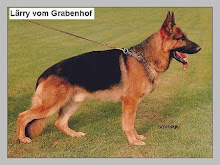
What are the signs of “dog bullying” and how can you prevent your dog from being bullied by other dogs?
There are dogs out there that bully other dogs when in a “doggie environment”, such as a dog park, dog daycare, or a beach area designated for dogs and their owners. Often, bullying takes place in large groups, regardless of the size. Most of these dog bullies are of the large breed and prey on smaller dogs, although there are also smaller breeds with a strong, dominant personality whom bully on other dogs of all sizes.
The next time you take your dog to the daycare, the park, or other places where there are other dogs around, observe how he behaves toward the other dogs and vice versa. Find out if your dog is being bullied by other dogs or if your dog is the one who does the harassing to other dogs.
Dog bullying comes in many shapes and sizes. You can tell that your dog is being harassed by other dogs if he is being surrounded by them, ganging up on him, jumping at his face, and growling at him, often for no legitimate reason. Below are other signs of a dog that is being bullied by other dogs:
1. A dog that is almost always happy around other people and dogs, but nervous and scared around the “bully” dogs.
3. One that is repeatedly mounted.
3. One that is continually being taken away from his toys, water, or certain spots.
4. One that is being attacked, beaten, pinned to the ground, and pushed around.
5. One that is continually being menaced.
6. In worst cases, one that is being bitten or badly hurt.
These acts are not right and should not be tolerated. Repeated display of these behaviors are not only hurtful to your dog in a physical way, but can also be mentally damaging.
It is important to find out what is causing the harassment to occur among these dogs and put an end to the improper behavior. Some dogs are just real bullies, without any direct reason for acting that way. Keep in mind that in many cases, it only takes one bully to rev up other dogs and follow his behavior. In this case, separating the dog from the playgroup will solve the problem.
Another reason for dog bullying is improper or lack of supervision from the owner or staff member in the day care. Dogs that aren't properly watched over tend to get out of control while playing, and that's when the bullying starts. Therefore, when you take your dog to a day care, make sure that there is enough staff members to supervise all the dogs and that they are being looked after at all times. And lastly, whether it is at the park, the beach, or your neighbor's house, make sure to keep an eye on your dog at all times.
Thursday, April 15, 2010

Thursday, April 8, 2010
Puppy Mills – Learn The Shocking Truth About Pet Stores
Pet stores are a very popular place to shop for young puppies and other animals of your choice. There is practically a pet store in almost every city. And it is hard to resist that cute and desperate looking puppy caged up waiting to be taken home. But before you make this decision you really should know a little bit of "insider" information about these pet stores and the origins of the puppies they sell.
Have you ever heard of puppy mills?
Do you know where most of these puppies come from that you see being sold in pet stores? There are certain breeding centers that cater to high-volume puppy production which sells them to pet stores, which then is sold to you. They are called "puppy mills" and are probably the most disgusting form of dog breeding practices that I have seen.
Disclaimer: Let me be clear on one thing: Not every pet store gets their puppies from puppy mills, but enough research has been done to find that a large majority of stores in the United States do in fact use puppy mills as their resource for pets to sell to the public.
What exactly are puppy mills?
To put it in simple terms, a puppy mill is a farm that is found most often in the Midwestern part of the United States. These farms breed animals for profits, mostly dogs. That may not sound that harsh but imagine these puppies being bred in high volumes and mistreated in the same way that cattle or chickens are.
If that doesn't give you a disturbing vision, then imagine cages stacked upon cages with these small adorable puppies, all suffering and ignored. Now picture rows and rows of these dog filled cages, all with minimal human contact and the only care they are getting is enough food and water to survive. You can easily find pictures by doing research online which would absolutely break your heart.
What is so bad about buying a puppy that originated from a puppy mill?
There is absolutely nothing wrong with taking home one of these puppies, and it is definitely a positive choice to make. On the other hand, many of these dogs have what is called "early stress syndrome" and may grow up to be nervous and frightened dogs which are very hard to instill confidence with training. Of course there are exceptions to the rule with these puppies, however, before you spend your hard-earned cash be sure to know all there is to know about where your puppy came from when considering purchasing from a pet store.
Have you ever heard of puppy mills?
Do you know where most of these puppies come from that you see being sold in pet stores? There are certain breeding centers that cater to high-volume puppy production which sells them to pet stores, which then is sold to you. They are called "puppy mills" and are probably the most disgusting form of dog breeding practices that I have seen.
Disclaimer: Let me be clear on one thing: Not every pet store gets their puppies from puppy mills, but enough research has been done to find that a large majority of stores in the United States do in fact use puppy mills as their resource for pets to sell to the public.
What exactly are puppy mills?
To put it in simple terms, a puppy mill is a farm that is found most often in the Midwestern part of the United States. These farms breed animals for profits, mostly dogs. That may not sound that harsh but imagine these puppies being bred in high volumes and mistreated in the same way that cattle or chickens are.
If that doesn't give you a disturbing vision, then imagine cages stacked upon cages with these small adorable puppies, all suffering and ignored. Now picture rows and rows of these dog filled cages, all with minimal human contact and the only care they are getting is enough food and water to survive. You can easily find pictures by doing research online which would absolutely break your heart.
What is so bad about buying a puppy that originated from a puppy mill?
There is absolutely nothing wrong with taking home one of these puppies, and it is definitely a positive choice to make. On the other hand, many of these dogs have what is called "early stress syndrome" and may grow up to be nervous and frightened dogs which are very hard to instill confidence with training. Of course there are exceptions to the rule with these puppies, however, before you spend your hard-earned cash be sure to know all there is to know about where your puppy came from when considering purchasing from a pet store.
Friday, February 5, 2010
Total Puppy Care 1: Never Select A New Puppy Without The Following Considerations
He won't be nearly as expensive as your new car and probably won't last as long as your home, but your new puppy is bound to be more a part of your everyday life than any other single acquisition you can imagine.
The handsome, healthy, well-mannered dog that you have adored on television, at the local dog show, or at your neighbor's house, did not get that way by accident. Rather, his care and upbringing were deliberate and well-planned in order to produce a rewarding companion and a focal point of pride within the family.
Know What You Are Getting Yourself Into
The owner who is truly compatible to his pet has surely spent some time thinking about what type of dog would be most suitable for his home, time limits, energy requirements, and purpose. Many breeds and mixed breeds can be too large, too energetic, or just plain too difficult to groom for the average owner.
To get the most pleasure from owning an animal, you should consider very carefully what you want most in a dog and how much time and effort you are willing to devote to his everyday care and upkeep.
If you are ready to take on any challenge, then great, simply choose any breed or any combination of breeds that you desire. However, if your time or willingness to cater to a dog is limited, give it some serious thought as to how much you can offer your new puppy when the fun period of puppyhood is over.
A full-grown Collie, English Sheepdog, Afghan Hound, or Poodle can be quite a chore to groom a yearly and the non-trained Irish Setter adolescents will surely wear out the otherwise placid dog owner to complete and utter exhaustion. Likewise, Your average Italian Greyhound is not suitable to protect a large country property nor can a mixed breed dog be shown in conformation or obedience competitions. So start off on the right foot by making the correct decision about what type of puppy to choose.
Take The Age Of The Pup Into Consideration
Age is an important factor in selecting a puppy. If the choice is up to you, try to bring your puppy home when he is exactly 8 weeks old. Studies have proven that this is the most ideal time for a pup to leave his dam and littermates in order to start a new relationship with a new human family.
Before a puppy is eight weeks old, he has not yet completed proper socialization with his canine peers and after that point, may develop too close an attachment to his littermates and dam, which can inhibit the strong bond that he could otherwise form with humans.
However, if the dog you are considering is not precisely 8 weeks old, and he has definitely stolen your heart, then of course do not pass up the opportunity to bring him home. Do keep in mind, however, that potential problems may come up with temperament or behavior and will require patience, extra love, and special handling later in time.
The handsome, healthy, well-mannered dog that you have adored on television, at the local dog show, or at your neighbor's house, did not get that way by accident. Rather, his care and upbringing were deliberate and well-planned in order to produce a rewarding companion and a focal point of pride within the family.
Know What You Are Getting Yourself Into
The owner who is truly compatible to his pet has surely spent some time thinking about what type of dog would be most suitable for his home, time limits, energy requirements, and purpose. Many breeds and mixed breeds can be too large, too energetic, or just plain too difficult to groom for the average owner.
To get the most pleasure from owning an animal, you should consider very carefully what you want most in a dog and how much time and effort you are willing to devote to his everyday care and upkeep.
If you are ready to take on any challenge, then great, simply choose any breed or any combination of breeds that you desire. However, if your time or willingness to cater to a dog is limited, give it some serious thought as to how much you can offer your new puppy when the fun period of puppyhood is over.
A full-grown Collie, English Sheepdog, Afghan Hound, or Poodle can be quite a chore to groom a yearly and the non-trained Irish Setter adolescents will surely wear out the otherwise placid dog owner to complete and utter exhaustion. Likewise, Your average Italian Greyhound is not suitable to protect a large country property nor can a mixed breed dog be shown in conformation or obedience competitions. So start off on the right foot by making the correct decision about what type of puppy to choose.
Take The Age Of The Pup Into Consideration
Age is an important factor in selecting a puppy. If the choice is up to you, try to bring your puppy home when he is exactly 8 weeks old. Studies have proven that this is the most ideal time for a pup to leave his dam and littermates in order to start a new relationship with a new human family.
Before a puppy is eight weeks old, he has not yet completed proper socialization with his canine peers and after that point, may develop too close an attachment to his littermates and dam, which can inhibit the strong bond that he could otherwise form with humans.
However, if the dog you are considering is not precisely 8 weeks old, and he has definitely stolen your heart, then of course do not pass up the opportunity to bring him home. Do keep in mind, however, that potential problems may come up with temperament or behavior and will require patience, extra love, and special handling later in time.
Tuesday, January 19, 2010
Barking Problems – How To Handle A Puppy That Barks For Attention
For any new dog owner, handling all of the loud barking of a new puppy can be quite an unnerving experience. Most new dog owners are not prepared for the intense amount of barking and yelping that young puppies start doing the minute they arrive in their new home. Although it is totally natural, some puppies do not give their owners the luxury of quieting down, especially at night.
One of the biggest phases that a puppy will go through is the fear of being alone. And I'm not talking about being alone in the sense of you leaving the house. Some puppies will go absolutely nuts even when you only leave the room for a split second. They just can't bear to be alone because they are used to having their mommy or littermates around non-stop.
When faced with this situation, what you do? If you run to your puppy to sooth and caress him every time he cries, then you are only feeding the behavior and creating a spoiled dog. On the other hand, if you ignore him and let him bark his brains out, the rest of the family (especially your spouse) will become very annoyed with you for letting the barking go on.
It's like being stuck between a rock and a hard place, however, we do have some tips to help you deal with your puppy barking situation:
1. The first step is to try to ignore your puppy's barking if at all possible without yelling at him. Yelling will either scare him from wanting to come near you or will further add to his anxiety levels that and he will continue barking.
2. There is a product called a “teaching lead” which will enable your puppy to be around you at all times in the house. Use these types of tools so that your puppy can be around you while he is getting used to his independence.
3. When you leave the house, try to refrain from long and drawn out departures. Although it's understandable to want to pet your puppy and talk sweet to her before leaving the house, it only creates more stress because she will start to associate your behavior with you leaving her side. The same advice goes when you arrive home. Avoid big and exciting welcomes after walking through the door.
4. Try using a simple training aid to get your puppy to quiet down immediately when she is barking. A water bottle that sends a quick burst of streaming spray is a perfect idea. Or you could use a small tin can filled with a few pennies in it. When you go to leave her side and she starts barking, simply throw that can in her area. It will create a startling noise while at the same time diverting her attention
One of the biggest phases that a puppy will go through is the fear of being alone. And I'm not talking about being alone in the sense of you leaving the house. Some puppies will go absolutely nuts even when you only leave the room for a split second. They just can't bear to be alone because they are used to having their mommy or littermates around non-stop.
When faced with this situation, what you do? If you run to your puppy to sooth and caress him every time he cries, then you are only feeding the behavior and creating a spoiled dog. On the other hand, if you ignore him and let him bark his brains out, the rest of the family (especially your spouse) will become very annoyed with you for letting the barking go on.
It's like being stuck between a rock and a hard place, however, we do have some tips to help you deal with your puppy barking situation:
1. The first step is to try to ignore your puppy's barking if at all possible without yelling at him. Yelling will either scare him from wanting to come near you or will further add to his anxiety levels that and he will continue barking.
2. There is a product called a “teaching lead” which will enable your puppy to be around you at all times in the house. Use these types of tools so that your puppy can be around you while he is getting used to his independence.
3. When you leave the house, try to refrain from long and drawn out departures. Although it's understandable to want to pet your puppy and talk sweet to her before leaving the house, it only creates more stress because she will start to associate your behavior with you leaving her side. The same advice goes when you arrive home. Avoid big and exciting welcomes after walking through the door.
4. Try using a simple training aid to get your puppy to quiet down immediately when she is barking. A water bottle that sends a quick burst of streaming spray is a perfect idea. Or you could use a small tin can filled with a few pennies in it. When you go to leave her side and she starts barking, simply throw that can in her area. It will create a startling noise while at the same time diverting her attention
Wednesday, December 16, 2009
Exercise – When It Comes To Exercising Your Dog, How Much Is Needed?
In humans, the importance of exercise has been proven time and again. But what about our canine friends? Is it enough to just feed them properly and give them occasional walks? What are the benefits of exercise to dogs?
All dogs need exercise
Studies as well as experience have shown that dogs who are getting adequate exercise are healthier and happier. They are also more social when they are in public places. When dogs are given regular exercise, they are more calm at home and are less restless when left alone. However, just like feeding, choosing the right amount of exercise for your dog should depend on several factors. These factors are age, size, and type of breed.
Age: Puppies require daily exercise for proper muscle development. Their high energy levels need to be released in some form of constructive activity, and giving them their daily exercise is the best way to do it. Not being able to release their pent-up energy can lead to destructive behavior such as chewing or digging. On the other hand, a mature, aging dog needs less exercise because of their lower energy levels.
Size: Large dogs do not necessarily need more exercise than small dogs. In fact, many large breeds like the Mastiff or Great Dane would rather relax and sit on the porch all day then go out for a 2 mile run. Nevertheless, they also need their daily exercise, perhaps one or two 30 minute walks everyday. On the other hand, many types of small breeds such as the Jack Russell Terrier or Chihuahua still keep on going even after a three-mile walk.
Type Of Breed: Your dog's breed is also a big factor on the amount of exercise required. For instance, dogs that were originally bred to herd such as the Australian Cattle Dog, Border Collie, and German Shepherd need to be exercise daily. Another example of a breed that requires daily exercise are those that were originally bred to hunt (hunting dogs). Examples of these dogs are the Beagle, Chesapeake Bay Retriever, and German Hunt Terrier. And finally,sled dogs such as the Siberian Husky, Samoyed, and Alaskan malamute share the same high level of energy as the herding dogs and hunting dogs and therefore, need to be exercised on a regular basis.
Wednesday, December 9, 2009
New Puppy Advice – The Do's Of Adding A New Puppy To The Family
Being a dog enthusiast and the proud owner of four different breed types, I just adopted a brand-new puppy for the first time in over three years. With all of the reading and education that I have done on dogs, dog training, health, nutrition etc., getting a new puppy brought me back to the basics. You know, the common sense stuff, the simple little tips that many of us forget.
Check out the following “Do's” when a new puppy has arrived in your home:
1. Do shower your new puppy with lots of love and attention, especially if he is doing something “right”. Many new puppy owners wait until the dog has done something wrong before initiating some type of communication. Before you know it, the poor puppy only knows that you are nice sometimes but then yell at him for no reason at other times. By communicating with him properly, he will be able to decipher your actions and become more amiable at being trained.
2. Do provide your puppy with plenty of chew toys. You can make something from home or better yet, just take a stroll through your local pet store for some neat looking items that your puppy can chew on instead of your shoes!
3. Do arrange a comfortable, warm bed your new puppy. If he will be sleeping outside then either build one yourself, or have built a solid weatherproof doghouse. Be sure that there is plenty of room inside and that the climate stays cozy for the pup.
If your doggie will be sleeping indoors then you can choose from several arrangements that will be adequate. For example, you can make a rectangular wooden box that has a front entrance clear to floor level. There are also plenty of high quality crates and kennels that you can purchase. Many of these are widely available at most pet stores.
4. Do watch over your puppy whenever he is around small children in the house. It hurts to say it, but hundreds of puppies are injured or even killed every year because of kids roughhousing when an adult is not around.
Children do not have the carefulness and understanding of how frail and vulnerable a new puppy is. So when something happens and the dog gets injured, the only one to blame is you, for not being there.
5. Do provide a regular feeding schedule from the very first day your puppy arrives. For puppies that are under six months of age, 3 – 4 solid meals of balanced nutritional food will be perfect. Simply give him all of the food he can eat in 30 minutes. When that time limit is up, scoop up the leftovers and only leave out water until his next meal.
6. Do provide a regular bathroom schedule as well. Just like his feeding times are rotated, you should be taking your puppy out to his bathroom spot during the same times each day. This is typically done right after each meal and then every two to three hours in between. And don't forget a late-night trip to the bathroom area. Your puppy will be sleeping for more than seven hours afterwards and if he wakes up with the urge to urinate in the house, he probably will.
Check out the following “Do's” when a new puppy has arrived in your home:
1. Do shower your new puppy with lots of love and attention, especially if he is doing something “right”. Many new puppy owners wait until the dog has done something wrong before initiating some type of communication. Before you know it, the poor puppy only knows that you are nice sometimes but then yell at him for no reason at other times. By communicating with him properly, he will be able to decipher your actions and become more amiable at being trained.
2. Do provide your puppy with plenty of chew toys. You can make something from home or better yet, just take a stroll through your local pet store for some neat looking items that your puppy can chew on instead of your shoes!
3. Do arrange a comfortable, warm bed your new puppy. If he will be sleeping outside then either build one yourself, or have built a solid weatherproof doghouse. Be sure that there is plenty of room inside and that the climate stays cozy for the pup.
If your doggie will be sleeping indoors then you can choose from several arrangements that will be adequate. For example, you can make a rectangular wooden box that has a front entrance clear to floor level. There are also plenty of high quality crates and kennels that you can purchase. Many of these are widely available at most pet stores.
4. Do watch over your puppy whenever he is around small children in the house. It hurts to say it, but hundreds of puppies are injured or even killed every year because of kids roughhousing when an adult is not around.
Children do not have the carefulness and understanding of how frail and vulnerable a new puppy is. So when something happens and the dog gets injured, the only one to blame is you, for not being there.
5. Do provide a regular feeding schedule from the very first day your puppy arrives. For puppies that are under six months of age, 3 – 4 solid meals of balanced nutritional food will be perfect. Simply give him all of the food he can eat in 30 minutes. When that time limit is up, scoop up the leftovers and only leave out water until his next meal.
6. Do provide a regular bathroom schedule as well. Just like his feeding times are rotated, you should be taking your puppy out to his bathroom spot during the same times each day. This is typically done right after each meal and then every two to three hours in between. And don't forget a late-night trip to the bathroom area. Your puppy will be sleeping for more than seven hours afterwards and if he wakes up with the urge to urinate in the house, he probably will.
Sunday, December 6, 2009
New Puppy Advice – The Don'ts Of Adding A New Puppy To The Family
Endless books, magazines, and Internet articles have addressed the basics when getting a new puppy. But regardless of just how simple and repetitive puppy care information may become, like anything else in life, always refer back to those basics for timeless advice.
Check out the following “Don'ts” when a new puppy has arrived in your home:
1. Don't strike at your puppy, no matter how heinous the crime may be. All you will do is frighten the little guy and possibly injure him in the process. You have to keep in mind that he is a complete stranger to your home and your entire world. Remember that he has just been separated from his mother and as far as his little mind is concerned, you look nothing like her!
In this regard, don't use any objects to spank your dog either. Justifying such punishment by using a rolled up newspaper instead of your hand will not suffice. Refrain from ALL physical hitting.
2. Don't leave any items around the house that you cherish. It may be an old saying, but it's certainly true: Puppies eat EVERYTHING! If you want to keep those new socks free from holes then put them up. Still haven't quit that smoking habit of yours? Guess what? Your new puppy would love nothing more than to chew on those cigarettes that are lying around the house. And just because your new iPod cannot be torn up like an old sock, your new puppy will spend plenty of time trying to gnaw his way through it.
3. Don't allow every visitor that comes by the house to handle your puppy. In fact, you should even restrict some family members from handling the new puppy, at least for the first week or two. If too many human hands pick him up then he may become a nervous dog that could have negative socialization issues.
4. Don't pick your new puppy up by his forelegs. Children are the first to commit this crime as they are not as careful with small dogs as adults are. A puppy's legs are not strong enough for someone to lift him up by. When this happens you will hear your puppy shriek in pain. The injury may be so severe that his appetite is lost, he runs a fever, and grows listless. When this happens, be sure to contact the veterinarian as soon as possible.
5. Don't leave any holes uncovered inside of the house. Like cats, puppies are insanely curious and would literally kill themselves if nobody was watching out for them.
6. Don't leave any electrical wires where your new puppy can reach them. These little guys love to chew on wires if left out. There have been hundreds of stories of little dogs who died from electrocution simply because their owners neglected to puppy-proof the inside of the home.
Check out the following “Don'ts” when a new puppy has arrived in your home:
1. Don't strike at your puppy, no matter how heinous the crime may be. All you will do is frighten the little guy and possibly injure him in the process. You have to keep in mind that he is a complete stranger to your home and your entire world. Remember that he has just been separated from his mother and as far as his little mind is concerned, you look nothing like her!
In this regard, don't use any objects to spank your dog either. Justifying such punishment by using a rolled up newspaper instead of your hand will not suffice. Refrain from ALL physical hitting.
2. Don't leave any items around the house that you cherish. It may be an old saying, but it's certainly true: Puppies eat EVERYTHING! If you want to keep those new socks free from holes then put them up. Still haven't quit that smoking habit of yours? Guess what? Your new puppy would love nothing more than to chew on those cigarettes that are lying around the house. And just because your new iPod cannot be torn up like an old sock, your new puppy will spend plenty of time trying to gnaw his way through it.
3. Don't allow every visitor that comes by the house to handle your puppy. In fact, you should even restrict some family members from handling the new puppy, at least for the first week or two. If too many human hands pick him up then he may become a nervous dog that could have negative socialization issues.
4. Don't pick your new puppy up by his forelegs. Children are the first to commit this crime as they are not as careful with small dogs as adults are. A puppy's legs are not strong enough for someone to lift him up by. When this happens you will hear your puppy shriek in pain. The injury may be so severe that his appetite is lost, he runs a fever, and grows listless. When this happens, be sure to contact the veterinarian as soon as possible.
5. Don't leave any holes uncovered inside of the house. Like cats, puppies are insanely curious and would literally kill themselves if nobody was watching out for them.
6. Don't leave any electrical wires where your new puppy can reach them. These little guys love to chew on wires if left out. There have been hundreds of stories of little dogs who died from electrocution simply because their owners neglected to puppy-proof the inside of the home.
Thursday, November 5, 2009
Predicting Temperament (Part 2)
A good rule of thumb for predicting temperament is to take a look at the mother, and if possible, the father of a litter. Having ruled out that factor, you can draw on the research which has been done by the experts.
Just recently there was an article which described methods of selecting puppies for guide dogs for the blind. The tests used proved to be almost 95% accurate! And you don't have to be one of the experts to try the simple tests.
How You Can Easily Select A Puppy With The Best Temperament Of The Litter
When observing a puppy away from its mother and littermates, testers look for the following:
1. The puppy should move at ease in its pen.
2. He should move freely and look calmly from its pen at the tester, and any other situations.
3. It should be friendly and respond to the tester's encouragement.
4. It should not be upset by strange people, places, or things.
5. The pup should persevere in any project it undertakes.
6. It should also be willing to do what the tester wants, and show pleasure while doing it.
Bad qualities are revealed in the opposites of the above list: the puppy is nervous in new situations, refuses to move from where it is placed. It is indifferent to new situations and people and unfriendly with the tester. Its responses are not dependable; it acts one way one time and another way another time, in the same situation. It quits trying after one or two attempts at something. And if it is upset by strangers, the puppy is obstinate or refuses to do with the tester wants.
Maintaining A Good Temperament Throughout Your Dog's Life
Research is placing more and more emphasis on the early weeks and months of a dog's life. Trainers are beginning to work with dogs at earlier ages than they did formally. Research also indicates that a dog's temperament is not just a matter of “good” or “bad”, it probably varies along a continuum, as does humans, and as a result of many variables. A dog with one or two neurotic traits may be unsatisfactory.
Once you have chosen a dog with a good temperament, make sure you don't ruin him by poor handling. It helps if you can give him some obedience training. There are books to help you with this job, online dog training DVDs you can order, as well as local obedience classes that offer one-on-one instruction. Even if your dog never achieves any degree as a companion dog, the experience will help you in your handling of him and particularly in disciplining him.
Final Tip: Unless you happen to be an expert on training, don't try to make your family pet into an attack dog. You don't need an aggressive dog to scare off burglars. They tend to pass up houses with any sort of dog on the premises. Most dogs, even the gentlest, are protective when the need arises. And do not let your children encourage aggressiveness with too much rough play. Sometimes it gets out of hand and a dog will bite out of innocent excitement.
Just recently there was an article which described methods of selecting puppies for guide dogs for the blind. The tests used proved to be almost 95% accurate! And you don't have to be one of the experts to try the simple tests.
How You Can Easily Select A Puppy With The Best Temperament Of The Litter
When observing a puppy away from its mother and littermates, testers look for the following:
1. The puppy should move at ease in its pen.
2. He should move freely and look calmly from its pen at the tester, and any other situations.
3. It should be friendly and respond to the tester's encouragement.
4. It should not be upset by strange people, places, or things.
5. The pup should persevere in any project it undertakes.
6. It should also be willing to do what the tester wants, and show pleasure while doing it.
Bad qualities are revealed in the opposites of the above list: the puppy is nervous in new situations, refuses to move from where it is placed. It is indifferent to new situations and people and unfriendly with the tester. Its responses are not dependable; it acts one way one time and another way another time, in the same situation. It quits trying after one or two attempts at something. And if it is upset by strangers, the puppy is obstinate or refuses to do with the tester wants.
Maintaining A Good Temperament Throughout Your Dog's Life
Research is placing more and more emphasis on the early weeks and months of a dog's life. Trainers are beginning to work with dogs at earlier ages than they did formally. Research also indicates that a dog's temperament is not just a matter of “good” or “bad”, it probably varies along a continuum, as does humans, and as a result of many variables. A dog with one or two neurotic traits may be unsatisfactory.
Once you have chosen a dog with a good temperament, make sure you don't ruin him by poor handling. It helps if you can give him some obedience training. There are books to help you with this job, online dog training DVDs you can order, as well as local obedience classes that offer one-on-one instruction. Even if your dog never achieves any degree as a companion dog, the experience will help you in your handling of him and particularly in disciplining him.
Final Tip: Unless you happen to be an expert on training, don't try to make your family pet into an attack dog. You don't need an aggressive dog to scare off burglars. They tend to pass up houses with any sort of dog on the premises. Most dogs, even the gentlest, are protective when the need arises. And do not let your children encourage aggressiveness with too much rough play. Sometimes it gets out of hand and a dog will bite out of innocent excitement.
Predicting Temperament (Part 1)
Nobody wants a dog with a bad disposition. It's not much fun to own a dog which is not people-oriented either. Out of sentiment, people will keep unsatisfactory dogs because they cannot bring themselves to part with them. Others pass such dogs around, and as they go from home to home, dispositions get worse, and loyalties further confused.
The best hope for any prospective dog owner is the prevention of trouble by choosing the right dog. We assume that this prospective owner has already realized that he is taking on a living creature for what may be a decade or more of his life, and he will spend thousands of dollars on food and care, and that he will be liable under the law for any damage this animal does to humans or to property.
People often ask if it is not unfair to a dog to keep him in the city, in small quarters, confined to a leash outside, or left in the house while the owner goes to work. But in reality, the most unfair thing that you can do to a dog is to take him on when you're not prepared to keep him for a lifetime, and to face up to all of the inconveniences that will go along with owning a dog.
Where Does A Bad Temperament Come From?
We know that dogs tend to inherit the temperament of their parents. We also know that there are certain inbred characteristics affecting temperament which are the result of the selective breeding that has produced a group of purebred dogs.
The early environment of the newborn puppy, particularly in the critical weeks when he's looking away from his mother and his siblings to the humans around him, can provide a healthy period of socialization. On the other hand, this critical period can also be the spark which starts illness, an accident, or psychic trauma that can affect the puppy's temperament in a very negative way. In addition, you, his new owner, can be a bad influence on what might have started out as a pleasant dog.
Most Dog Buyers Are Not Educated Enough To Properly Choose A Dog
The average dog buyer is looking for a companion for the family, particularly for the children. Unfortunately, most people do not know what to look for when it comes to temperament. And the temperament of a dog is the number one overriding vital consideration in choosing one. A nervous dog makes an unsatisfactory companion for children under almost any circumstances, and one that is moody is potentially dangerous.
Some people prefer dogs of mixed breeding and assume that they will always have more stable temperaments. This is not true. There was a tragic attack a few years back where a mixed Chow-Spitz killed a young child. The dog had been passed on to the family after having a history of killing small animals and giving other indications of poor temperament. This alone should make you think twice about taking on a dog which has not worked out in someone else's family.
The best hope for any prospective dog owner is the prevention of trouble by choosing the right dog. We assume that this prospective owner has already realized that he is taking on a living creature for what may be a decade or more of his life, and he will spend thousands of dollars on food and care, and that he will be liable under the law for any damage this animal does to humans or to property.
People often ask if it is not unfair to a dog to keep him in the city, in small quarters, confined to a leash outside, or left in the house while the owner goes to work. But in reality, the most unfair thing that you can do to a dog is to take him on when you're not prepared to keep him for a lifetime, and to face up to all of the inconveniences that will go along with owning a dog.
Where Does A Bad Temperament Come From?
We know that dogs tend to inherit the temperament of their parents. We also know that there are certain inbred characteristics affecting temperament which are the result of the selective breeding that has produced a group of purebred dogs.
The early environment of the newborn puppy, particularly in the critical weeks when he's looking away from his mother and his siblings to the humans around him, can provide a healthy period of socialization. On the other hand, this critical period can also be the spark which starts illness, an accident, or psychic trauma that can affect the puppy's temperament in a very negative way. In addition, you, his new owner, can be a bad influence on what might have started out as a pleasant dog.
Most Dog Buyers Are Not Educated Enough To Properly Choose A Dog
The average dog buyer is looking for a companion for the family, particularly for the children. Unfortunately, most people do not know what to look for when it comes to temperament. And the temperament of a dog is the number one overriding vital consideration in choosing one. A nervous dog makes an unsatisfactory companion for children under almost any circumstances, and one that is moody is potentially dangerous.
Some people prefer dogs of mixed breeding and assume that they will always have more stable temperaments. This is not true. There was a tragic attack a few years back where a mixed Chow-Spitz killed a young child. The dog had been passed on to the family after having a history of killing small animals and giving other indications of poor temperament. This alone should make you think twice about taking on a dog which has not worked out in someone else's family.
Monday, October 19, 2009
Dog Tricks: How To Teach Your Dog To Cross His Paws
A simple and adorable trick that you can easily teach your dog or puppy is to have her cross her paws. Many pets will do this by accident and it always puts a smile on my face when I witness this cute sitting posture.
You can easily teach train your dog to lie down and look elegant with its paws crossed by following these simple instructions:
Step 1: Start the exercise with your dog in the down position (of course he should already be trained to do so before attempting the 'cross paws' trick)
Step 2: Now have your dog offer his paw on command. If he does not know how to respond to this command yet, simply reach out and grab one of his paws. Be sure to click once (using a clicker) and offer a small treat each time. It is important that your dog remains in the down position while doing this.
TIP: If he still struggles to understand how to give you his paw, simply use the treat and place it in the palm of your hand a few inches is a way from one of his paws. Soon enough, he will naturally move to touch the treat that is in your hand in hopes that you will release the tasty snack. Be sure to click each time he taps your palm.
Step 3: Continue having your dog offer his paw, but be sure to concentrate only on one paw at a time and do so repetitively with a click and a treat.
Step 4: When your dog has reached the stage where you can rely on him to target your hand with one of his paws, slowly move your hand closer to your dog's other front paw. Now in order to offer you is paw, he must lift it up and move over sideways in order to reach your hand.
What may happen is that he may choose to lift the opposite paw instead of continuing with the trained paw. Each time this happens, all you have to do is pull away your hand and simply ignore this response from your dog.
Step 5: Your almost done. When your dog can target your hand as it has moved to the opposite side, near his other paw, quickly snap your hand back at the last second. His moved paw should now land right over the other paw and in a crossed-paw fashion. Be sure to click and offer a treat.
Step 6: Continue repeating this training regimen and each time his paw crosses over, slowly fade your hand away so it is further from the dog. Eventually, your dog will automatically cross his paws when he sees your hand signal, and at increasingly longer distances away from you.
You can easily teach train your dog to lie down and look elegant with its paws crossed by following these simple instructions:
Step 1: Start the exercise with your dog in the down position (of course he should already be trained to do so before attempting the 'cross paws' trick)
Step 2: Now have your dog offer his paw on command. If he does not know how to respond to this command yet, simply reach out and grab one of his paws. Be sure to click once (using a clicker) and offer a small treat each time. It is important that your dog remains in the down position while doing this.
TIP: If he still struggles to understand how to give you his paw, simply use the treat and place it in the palm of your hand a few inches is a way from one of his paws. Soon enough, he will naturally move to touch the treat that is in your hand in hopes that you will release the tasty snack. Be sure to click each time he taps your palm.
Step 3: Continue having your dog offer his paw, but be sure to concentrate only on one paw at a time and do so repetitively with a click and a treat.
Step 4: When your dog has reached the stage where you can rely on him to target your hand with one of his paws, slowly move your hand closer to your dog's other front paw. Now in order to offer you is paw, he must lift it up and move over sideways in order to reach your hand.
What may happen is that he may choose to lift the opposite paw instead of continuing with the trained paw. Each time this happens, all you have to do is pull away your hand and simply ignore this response from your dog.
Step 5: Your almost done. When your dog can target your hand as it has moved to the opposite side, near his other paw, quickly snap your hand back at the last second. His moved paw should now land right over the other paw and in a crossed-paw fashion. Be sure to click and offer a treat.
Step 6: Continue repeating this training regimen and each time his paw crosses over, slowly fade your hand away so it is further from the dog. Eventually, your dog will automatically cross his paws when he sees your hand signal, and at increasingly longer distances away from you.
Friday, October 9, 2009
Destructive Chewing: A Simple Reason Why Your Dog Is Eating Everything In Sight
Before you can train your dog to stop his destructive chewing habits, you must first identify the type of chewing that your pet is demonstrating. There are different reasons why puppies and dogs engage in this habit, as well as a variety of ways to fix the problem. Therefore, identifying the type of destructive chewing is an important step in eliminating the issue.
There are different motivational factors for chronic and destructive chewing. The most common types are:
1. Puppy chewers
2. Spiteful chewers
3. Jealousy chewers
4. Boredom chewers
Puppies chew mainly for two reasons: to explore their new world and to soothe their aching gums during the teething stage. Dogs between the ages of six to eighteen months have a different motivation to chew: boredom (although this motivator can also apply to puppies as well).
Most dogs who are going through their adolescent stage have high amounts of energy in their systems. This energy, when not utilized or given the proper channel, can result in problem behaviors like destructive chewing. Chewing out of boredom between puppyhood and adulthood usually occur because the newness and excitement of the pet’s presence in the home wears off. The family does not pay as much attention to them as they used to when he was still a puppy.
A different motivating factor that’s responsible for problem-chewing is jealousy. This usually occurs in adult dogs. It could be caused by having a new pet in the household, or because the family has turned their attention to something else, thereby, causing the dog to feel alienated.
For example, if you keep catching your dog chewing on your books, it’s very likely that he thinks that the books cause you to spend less time with him. The same reason can be stated for dogs who like chewing on their owners’ shoes. Our beloved pets felt that the shoes were responsible for alienating the owner’s attention. Each time you leave the house, the dog sees those shoes “going with you” and he will take his jealousy and frustration out on those shoes at any chance possible.
In this case, the best way to eliminate destructive chewing is as simple as spending more time with your dog. Spend ten or fifteen minutes with your pet before you start reading. Take him for a nice stroll, or maybe brush his coat before leaving the house. Most of the time, all it takes is giving your dog personal attention to get rid of these bad behaviors.
There are different motivational factors for chronic and destructive chewing. The most common types are:
1. Puppy chewers
2. Spiteful chewers
3. Jealousy chewers
4. Boredom chewers
Puppies chew mainly for two reasons: to explore their new world and to soothe their aching gums during the teething stage. Dogs between the ages of six to eighteen months have a different motivation to chew: boredom (although this motivator can also apply to puppies as well).
Most dogs who are going through their adolescent stage have high amounts of energy in their systems. This energy, when not utilized or given the proper channel, can result in problem behaviors like destructive chewing. Chewing out of boredom between puppyhood and adulthood usually occur because the newness and excitement of the pet’s presence in the home wears off. The family does not pay as much attention to them as they used to when he was still a puppy.
A different motivating factor that’s responsible for problem-chewing is jealousy. This usually occurs in adult dogs. It could be caused by having a new pet in the household, or because the family has turned their attention to something else, thereby, causing the dog to feel alienated.
For example, if you keep catching your dog chewing on your books, it’s very likely that he thinks that the books cause you to spend less time with him. The same reason can be stated for dogs who like chewing on their owners’ shoes. Our beloved pets felt that the shoes were responsible for alienating the owner’s attention. Each time you leave the house, the dog sees those shoes “going with you” and he will take his jealousy and frustration out on those shoes at any chance possible.
In this case, the best way to eliminate destructive chewing is as simple as spending more time with your dog. Spend ten or fifteen minutes with your pet before you start reading. Take him for a nice stroll, or maybe brush his coat before leaving the house. Most of the time, all it takes is giving your dog personal attention to get rid of these bad behaviors.
Wednesday, October 7, 2009
Dog Behavior - What To Do When Your Dog Is Being Bullied
What are the signs of “dog bullying” and how can you prevent your dog from being bullied by other dogs?
There are dogs out there that bully other dogs when in a “doggie environment”, such as a dog park, dog daycare, or a beach area designated for dogs and their owners. Often, bullying takes place in large groups, regardless of the size. Most of these dog bullies are of the large breed and prey on smaller dogs, although there are also smaller breeds with a strong, dominant personality whom bully on other dogs of all sizes.
The next time you take your dog to the daycare, the park, or other places where there are other dogs around, observe how he behaves toward the other dogs and vice versa. Find out if your dog is being bullied by other dogs or if your dog is the one who does the harassing to other dogs.
Dog bullying comes in many shapes and sizes. You can tell that your dog is being harassed by other dogs if he is being surrounded by them, ganging up on him, jumping at his face, and growling at him, often for no legitimate reason. Below are other signs of a dog that is being bullied by other dogs:
1. A dog that is almost always happy around other people and dogs, but nervous and scared around the “bully” dogs.
3. One that is repeatedly mounted.
3. One that is continually being taken away from his toys, water, or certain spots.
4. One that is being attacked, beaten, pinned to the ground, and pushed around.
5. One that is continually being menaced.
6. In worst cases, one that is being bitten or badly hurt.
These acts are not right and should not be tolerated. Repeated display of these behaviors are not only hurtful to your dog in a physical way, but can also be mentally damaging.
It is important to find out what is causing the harassment to occur among these dogs and put an end to the improper behavior. Some dogs are just real bullies, without any direct reason for acting that way. Keep in mind that in many cases, it only takes one bully to rev up other dogs and follow his behavior. In this case, separating the dog from the playgroup will solve the problem.
Another reason for dog bullying is improper or lack of supervision from the owner or staff member in the day care. Dogs that aren't properly watched over tend to get out of control while playing, and that's when the bullying starts. Therefore, when you take your dog to a day care, make sure that there is enough staff members to supervise all the dogs and that they are being looked after at all times. And lastly, whether it is at the park, the beach, or your neighbor's house, make sure to keep an eye on your dog at all times.
Friday, September 25, 2009
Poisonous Plants – Common Backyard Plants That Can Kill Your Dog
As you stand in your backyard, envisioning the new landscaping plans and garden design that have been in development all winter long, you imagine what your new backyard haven will look like when it is finally landscaped.
You try to visualize how green the new lawn will be, the right plants and shrubs that will bloom. You see your dog and his newly built, comfortable doghouse nestled right next to that healthy oleander bush that will be growing. As water dish lies cool as it sits in the shade of that same bush. Your imagination is so detailed that you can even picture a beautiful oleander leaf falling gently into the water dish as its caresses the surface.
Isn't this a beautiful scene, relaxed, serene, natural, and safe?
Wrong!
While this mental picture may look amazingly beautiful, it is actually very deadly. One sip of water from that water bowl that has your favorite oleander leaf floating in it can kill your dog within an hour!
Did you know that there are almost a thousand species of plants that are considered poisonous to dogs and other house pets? And that is just in North America alone. All too often when a dog is taken to the veterinarian for sickness and the vet explains to the owner that it was the result of poison, the dog owners all jump to the conclusion that "someone else" must have poisoned their dog.
More than 95% of such veterinarian visits are the result of backyard poisoning from owners who unknowingly beautified their landscape with daffodils or bulbs of hyacinth, without a clue that these common plants can be fatal to animals. A dog can literally dig into the ground and unearth a bulb which can immediately become the object of its chewing desire. Once swallowed, it becomes a lethal ingestion.
Autumn crocus plans, Glory Lilies, and the star-of-Bethlehem are other examples of popular plants which are very poisonous. The lily-of-the-valley is another lovely plant that is popular in many homes but once snatched up by a puppy can spell certain death.
A true botanist at heart loves a yard that is quilted with cornflower, black eyed susan, golden glow, lantana, sweet peas, and bleeding heart. But if a dog lives in this very same atmosphere, certain death is lurking inside each and every one of these plants.
Did you know that the poinsettia, known everywhere as the beautiful "Christmas Plant" and used in hundreds of thousands of homes during the holidays, is so dangerous that a single leaf chewed up by a child can be fatal?
You try to visualize how green the new lawn will be, the right plants and shrubs that will bloom. You see your dog and his newly built, comfortable doghouse nestled right next to that healthy oleander bush that will be growing. As water dish lies cool as it sits in the shade of that same bush. Your imagination is so detailed that you can even picture a beautiful oleander leaf falling gently into the water dish as its caresses the surface.
Isn't this a beautiful scene, relaxed, serene, natural, and safe?
Wrong!
While this mental picture may look amazingly beautiful, it is actually very deadly. One sip of water from that water bowl that has your favorite oleander leaf floating in it can kill your dog within an hour!
Did you know that there are almost a thousand species of plants that are considered poisonous to dogs and other house pets? And that is just in North America alone. All too often when a dog is taken to the veterinarian for sickness and the vet explains to the owner that it was the result of poison, the dog owners all jump to the conclusion that "someone else" must have poisoned their dog.
More than 95% of such veterinarian visits are the result of backyard poisoning from owners who unknowingly beautified their landscape with daffodils or bulbs of hyacinth, without a clue that these common plants can be fatal to animals. A dog can literally dig into the ground and unearth a bulb which can immediately become the object of its chewing desire. Once swallowed, it becomes a lethal ingestion.
Autumn crocus plans, Glory Lilies, and the star-of-Bethlehem are other examples of popular plants which are very poisonous. The lily-of-the-valley is another lovely plant that is popular in many homes but once snatched up by a puppy can spell certain death.
A true botanist at heart loves a yard that is quilted with cornflower, black eyed susan, golden glow, lantana, sweet peas, and bleeding heart. But if a dog lives in this very same atmosphere, certain death is lurking inside each and every one of these plants.
Did you know that the poinsettia, known everywhere as the beautiful "Christmas Plant" and used in hundreds of thousands of homes during the holidays, is so dangerous that a single leaf chewed up by a child can be fatal?
Tuesday, September 22, 2009
Dog Training Methods: How Dog Training Has Evolved Over The Last Few Decades
When you look down at your brand new, small and tender puppy peacefully sleeping in its little bed, it's hard to think that in just two to three months it may grow to be 40, 50, or even up to 100 pounds depending on the type of breed. And although its behaviors may cute at the moment, like jumping up and putting his front paws on your body, these actions will be far less enjoyable when your dog is all grown up and literally knocking you over.
Your best bet is to start training your puppy from day one so that he can learn proper manners as he grows into adulthood. Puppies that are not trained in this manner end up learning all of the wrong stuff and their owners wonder why they cannot seem to get their dogs to behave as they age.
Many years ago, when dog training methods used more punishment oriented (using harsh methods to train puppies), dog trainers typically required all puppy trainees to be at least six months old. The reason was partly due to the fact that such physical correction protocols used could not be done with dogs that were too small or too young.
What is ironic about dog training in the old days is that by the time most puppies are six months old they are big enough and mentally stubborn enough to ignore commands and are altogether tough to train.
New Times Bring Better Training Methods
Over the last 20 years or so, the dog training profession has embraced more friendly and loving training tactics for their puppy clients. Most trainers now except puppies that are as young as 8 to 10 weeks old. They are typically enrolled in socialization classes and puppy kindergarten.
Positive training is now used instead of the old-school methods of negative reinforcement. Puppies are taught to walk politely on the leash. They learn the basic commands of sit, stay, lie down, and come. In addition to these simple instructions, other useful techniques are learned by puppies such as how to relax, give and take their paw, and polite greeting.
Dog Owners Are More Involved With Training Nowadays
Another interesting aspect of raising dogs that has been noted over the last couple of decades is that more and more dog owners have taken it upon themselves to train their puppies.
This is partly due to the fact that so many dog training publications and manuals have been written. Modern dog training programs are based more and more on scientific principles and psychological studies of animal behavior and temperament.
Simple puppy training programs have taught dog owners to utilize techniques such as clicker training and luring.
Clicker training involves the use of a small mechanism that makes a clicking sound when pressed. When a dog hears the sound it will associate the click with whatever reward you give him. This tells the animal that something good is coming and he should repeat whatever behavior or action you have been teaching him.
Luring training is simply using food such as a dog treat, or even a toy, to induce the dog to display a specific behavior in order to follow the lure in hopes of getting the reward.
Your best bet is to start training your puppy from day one so that he can learn proper manners as he grows into adulthood. Puppies that are not trained in this manner end up learning all of the wrong stuff and their owners wonder why they cannot seem to get their dogs to behave as they age.
Many years ago, when dog training methods used more punishment oriented (using harsh methods to train puppies), dog trainers typically required all puppy trainees to be at least six months old. The reason was partly due to the fact that such physical correction protocols used could not be done with dogs that were too small or too young.
What is ironic about dog training in the old days is that by the time most puppies are six months old they are big enough and mentally stubborn enough to ignore commands and are altogether tough to train.
New Times Bring Better Training Methods
Over the last 20 years or so, the dog training profession has embraced more friendly and loving training tactics for their puppy clients. Most trainers now except puppies that are as young as 8 to 10 weeks old. They are typically enrolled in socialization classes and puppy kindergarten.
Positive training is now used instead of the old-school methods of negative reinforcement. Puppies are taught to walk politely on the leash. They learn the basic commands of sit, stay, lie down, and come. In addition to these simple instructions, other useful techniques are learned by puppies such as how to relax, give and take their paw, and polite greeting.
Dog Owners Are More Involved With Training Nowadays
Another interesting aspect of raising dogs that has been noted over the last couple of decades is that more and more dog owners have taken it upon themselves to train their puppies.
This is partly due to the fact that so many dog training publications and manuals have been written. Modern dog training programs are based more and more on scientific principles and psychological studies of animal behavior and temperament.
Simple puppy training programs have taught dog owners to utilize techniques such as clicker training and luring.
Clicker training involves the use of a small mechanism that makes a clicking sound when pressed. When a dog hears the sound it will associate the click with whatever reward you give him. This tells the animal that something good is coming and he should repeat whatever behavior or action you have been teaching him.
Luring training is simply using food such as a dog treat, or even a toy, to induce the dog to display a specific behavior in order to follow the lure in hopes of getting the reward.
Tuesday, September 15, 2009
Dog Training: Getting Your Dog’s Attention (Part 3)
On the fourth day, as you repeat the procedures of the first three days, you’ll discover that there’s no more opposition and no games. This is simple enough, unless your dog happens to become momentarily distracted and forgetful.
And that is just exactly what you want to happen, so that he will learn to overcome momentary temptation and distraction and keep his attention focused on you. After all, obedience is needed particularly in time of emergency, and since you are going to build obedience as well as character into your dog, it is not too much to ask, that, at a time when other dogs would yield to distraction and temptation, your dog has his attention totally focused on you.
Your job from day four until your pet learns to ignore temptation is to use distraction and temptation during your fifteen-minute training sessions. The procedures will be nearly the same as the first three days, except that you will walk in the direction of the distraction or temptation and hope that your dog will rush recklessly toward it.
You will of course have chosen that precise moment to wish him goodbye on his journey, turn, and walk fast in the opposite direction. And, as you may expect, his journey will be short (fifteen to twenty feet) before he turns around and walks toward you. Your dog will not hate you for having to turn around because he won’t associate his abrupt change of direction with you at all.
What Your Dog Will Know For Sure
The last four days have shown him that you will move whenever you choose, and in whatever direction you choose without first checking to see if it’s alright with him. Your dog knew this. What happened was his fault because he took his attention and eyes off you for a moment and gave in to temptation. It was just “coincidental” that you decided to move, at that same moment, and in the direction opposite to that in which he was heading.
You know that the move wasn’t really a coincidence, but your dog doesn’t know this, and will never know. What he will come to realize is that when a distraction or temptation appears, that is the exact moment that you will choose to reverse your direction of travel.
If you do your work well for the next few days, your dog will come to consider every temptation or distraction as a reminder and a cue to keep his eyes and attention on you. Distractions and temptations include people and things such as a skateboarder, a strange cat, another dog, a rolling ball, or a plate of food.
The list can go on and on, depending on your dog’s personality. However, to have someone call your dog by name in an attempt to distract him must be considered unfair. You must stick to other situations and things.
In Conclusion
To conclude this part of training, remember to always walk briskly in a straight line, with confidence in your movement. If you hesitate or walk slow, your dog will not develop the necessary confidence. Never give your dog verbal commands when working with him on the long-line. You’re not teaching him to heel yet.
For now, you’re teaching him four things. First, when tied to a person, he must move with that person. Second, your determination, will, and status are such that you will walk anywhere and at any time without first checking to see if it’s alright with him. Third, in order for him to be aware of your movement, and in which direction you’ll be walking, he needs to pay attention to you because you won’t let him know in advance. Fourth, when distraction or temptation appears, they are not excuses to be inattentive. On the contrary, that is when he must be the more attentive and focused on you.
Friday, September 11, 2009
Dog Training: Getting Your Dog’s Attention (Part 2)
Welcome to the second part of training your dog to “pay attention”. Continue with the same protocol and after fifteen minutes, get down on one knee to your dog’s level and untie the long-line from his collar, but don’t remove the collar yet.
Just take a few moments to tell your dog what a great job he’s doing. Give him a good pet on the head and talk to him in enthusiastic tone of voice. A good praise and a pat on the dog's head are all you need at this time to help shape his attitude for the next lessons that will follow.
Time For A Break
When you have finished your few minutes of praise, casually remove the training collar and give your dog a little privacy to take a break and think things over. Do not leave the training collar on your dog when he’s unattended because the ring can snag objects and cause strangulation.
Your first fifteen minutes of training may have seemed unremarkable to you. However, if you followed the instructions accurately, your dog began to realize that when he’s tied to you, he must move with you. If he failed to learn that on your first day, you can be sure that he’ll learn it, and more, by the fourth day, since it takes the average dog four days to learn an average thing.
At the same time, your dog is going to learn something else that is equally important. He is going to learn that you have the ability to use sound judgment as well as demonstrating a will that’s much stronger than his. Confidence and respect in your actions will begin to grow.
Day 2
Your second day of training should be same as the first day, except for the direction of your pattern. From your starting point the pattern could be the reverse of the day before, so that your dog will not know ahead of time which direction you intend to take.
Depending on your particular dog, you may or may not have struggles on your second day. If you do, handle it as you did the first day. Ignore all distractions and just walk!
Day 3
On the third day of training, even the most stubborn and uncooperative dog will begin to realize that nothing he does is going to deter your from going in the direction you want to go, and when you want to go. He will also realize that the line of least resistance is to follow you.
You will also notice, as you repeat the procedures of the first two days, that your dog will be watching you just a bit more closely. He is learning that he must move with his owner when on a leash. He has learned that you won’t direct him of your intentions. And since he must move with you, there’s only one way he’ll be able to be aware of your movements, and that is to pay attention to you
Just take a few moments to tell your dog what a great job he’s doing. Give him a good pet on the head and talk to him in enthusiastic tone of voice. A good praise and a pat on the dog's head are all you need at this time to help shape his attitude for the next lessons that will follow.
Time For A Break
When you have finished your few minutes of praise, casually remove the training collar and give your dog a little privacy to take a break and think things over. Do not leave the training collar on your dog when he’s unattended because the ring can snag objects and cause strangulation.
Your first fifteen minutes of training may have seemed unremarkable to you. However, if you followed the instructions accurately, your dog began to realize that when he’s tied to you, he must move with you. If he failed to learn that on your first day, you can be sure that he’ll learn it, and more, by the fourth day, since it takes the average dog four days to learn an average thing.
At the same time, your dog is going to learn something else that is equally important. He is going to learn that you have the ability to use sound judgment as well as demonstrating a will that’s much stronger than his. Confidence and respect in your actions will begin to grow.
Day 2
Your second day of training should be same as the first day, except for the direction of your pattern. From your starting point the pattern could be the reverse of the day before, so that your dog will not know ahead of time which direction you intend to take.
Depending on your particular dog, you may or may not have struggles on your second day. If you do, handle it as you did the first day. Ignore all distractions and just walk!
Day 3
On the third day of training, even the most stubborn and uncooperative dog will begin to realize that nothing he does is going to deter your from going in the direction you want to go, and when you want to go. He will also realize that the line of least resistance is to follow you.
You will also notice, as you repeat the procedures of the first two days, that your dog will be watching you just a bit more closely. He is learning that he must move with his owner when on a leash. He has learned that you won’t direct him of your intentions. And since he must move with you, there’s only one way he’ll be able to be aware of your movements, and that is to pay attention to you
Wednesday, September 2, 2009
Dog Training: Getting Your Dog’s Attention (Part 1)
In today's article about the first week of training your dog, we are going to apply a basic method that was originated by Mr. William Koehler, a respected animal trainer. His first week's long-line method (slightly changed here) should be highly praised as one of the greatest innovations in canine training.
Regardless of how basic and unpromising these first-week steps may seem, follow them carefully and exactly, and you will have a more obedient dog, one that will learn easier and faster.
Let The Training Begin
On your first day of training, take your dog to the backyard, the sidewalk, or the park (only if it provides little to no distractions). Put the training collar on your dog, making sure that it’s fitted correctly. Tie one end of the long-line to the free ring. Holding the other end of the long-line in your hands, pick a spot at a distance of about thirty to forty-five feet. It could be a tin can, a fire hydrant, or a particular patch of grass. Walk fast in a straight line to that spot. Determine to let nothing stand in your way, especially your dog and his tricks.
If yours is the type of dog who has had no form of total control placed over him, you can bet there’ll be tricks. He may start wailing, which means that he would prefer to go in some other direction and you are not cooperating.
He might roll over on his back and place all four feet in the air trying to hook a claw in the sky, which means he doesn’t particularly want to walk with you because you’re not going to the direction he wants. He may even try to rest directly in front of you which simply means that you forgot to ask his permission to walk, and he’d prefer that you stand still until he’s make up his mind.
In training your dog, you need to keep one thing perfectly clear in mind so that it will also be clear in the mind of your dog: You are training your dog, not the other way around.
Regardless of his tricks, and with the end of the long-line held firmly in your hand, go to the destination that you’ve chosen. As Mr. Koehler expresses “Your dog will go with you if for no other reason than to be near you”.
That first sixty seconds of training (the time it takes you to walk thirty to forty-five feet) may indeed be a test of wills. It is crucial that your dog develop assurance that you will win this test of wills. He will develop this assurance if he knows that you will go from point A to point B without considering his resistance.
By the time you reach your predetermined location, the learning processes will have already been triggered within the mind of your dog, so simply stand there for about forty-five seconds to a minute. Look around and observe everything around you except your pet. Do not even look at him. Doing so just might possibly get you hopelessly entangled in an emotional struggle.
When your forty-five seconds to one minute is up, pick another spot at about the same distance and, without warning or tugging on the leash to get your dog’s attention, walk at a brisk pace right to it. Again, do not let your dog stand in your way. If you have to clear your throat or in some other way try to catch your dog’s attention before moving, then your dog is doing a great job of training you.
Don’t ask your dog’s permission to walk and just go! When you reached your spot, pause again for about forty-five seconds to observe your surroundings – but not your dog. Again, pick a location and, without any warning, walk to it at a brisk pace. Continue this process for the full fifteen-minute training session.
Regardless of how basic and unpromising these first-week steps may seem, follow them carefully and exactly, and you will have a more obedient dog, one that will learn easier and faster.
Let The Training Begin
On your first day of training, take your dog to the backyard, the sidewalk, or the park (only if it provides little to no distractions). Put the training collar on your dog, making sure that it’s fitted correctly. Tie one end of the long-line to the free ring. Holding the other end of the long-line in your hands, pick a spot at a distance of about thirty to forty-five feet. It could be a tin can, a fire hydrant, or a particular patch of grass. Walk fast in a straight line to that spot. Determine to let nothing stand in your way, especially your dog and his tricks.
If yours is the type of dog who has had no form of total control placed over him, you can bet there’ll be tricks. He may start wailing, which means that he would prefer to go in some other direction and you are not cooperating.
He might roll over on his back and place all four feet in the air trying to hook a claw in the sky, which means he doesn’t particularly want to walk with you because you’re not going to the direction he wants. He may even try to rest directly in front of you which simply means that you forgot to ask his permission to walk, and he’d prefer that you stand still until he’s make up his mind.
In training your dog, you need to keep one thing perfectly clear in mind so that it will also be clear in the mind of your dog: You are training your dog, not the other way around.
Regardless of his tricks, and with the end of the long-line held firmly in your hand, go to the destination that you’ve chosen. As Mr. Koehler expresses “Your dog will go with you if for no other reason than to be near you”.
That first sixty seconds of training (the time it takes you to walk thirty to forty-five feet) may indeed be a test of wills. It is crucial that your dog develop assurance that you will win this test of wills. He will develop this assurance if he knows that you will go from point A to point B without considering his resistance.
By the time you reach your predetermined location, the learning processes will have already been triggered within the mind of your dog, so simply stand there for about forty-five seconds to a minute. Look around and observe everything around you except your pet. Do not even look at him. Doing so just might possibly get you hopelessly entangled in an emotional struggle.
When your forty-five seconds to one minute is up, pick another spot at about the same distance and, without warning or tugging on the leash to get your dog’s attention, walk at a brisk pace right to it. Again, do not let your dog stand in your way. If you have to clear your throat or in some other way try to catch your dog’s attention before moving, then your dog is doing a great job of training you.
Don’t ask your dog’s permission to walk and just go! When you reached your spot, pause again for about forty-five seconds to observe your surroundings – but not your dog. Again, pick a location and, without any warning, walk to it at a brisk pace. Continue this process for the full fifteen-minute training session.
Tuesday, September 1, 2009
Predicting Temperament (Part 2)
A good rule of thumb for predicting temperament is to take a look at the mother, and if possible, the father of a litter. Having ruled out that factor, you can draw on the research which has been done by the experts.
Just recently there was an article which described methods of selecting puppies for guide dogs for the blind. The tests used proved to be almost 95% accurate! And you don't have to be one of the experts to try the simple tests.
How You Can Easily Select A Puppy With The Best Temperament Of The Litter
When observing a puppy away from its mother and littermates, testers look for the following:
1. The puppy should move at ease in its pen.
2. He should move freely and look calmly from its pen at the tester, and any other situations.
3. It should be friendly and respond to the tester's encouragement.
4. It should not be upset by strange people, places, or things.
5. The pup should persevere in any project it undertakes.
6. It should also be willing to do what the tester wants, and show pleasure while doing it.
Bad qualities are revealed in the opposites of the above list: the puppy is nervous in new situations, refuses to move from where it is placed. It is indifferent to new situations and people and unfriendly with the tester. Its responses are not dependable; it acts one way one time and another way another time, in the same situation. It quits trying after one or two attempts at something. And if it is upset by strangers, the puppy is obstinate or refuses to do with the tester wants.
Maintaining A Good Temperament Throughout Your Dog's Life
Research is placing more and more emphasis on the early weeks and months of a dog's life. Trainers are beginning to work with dogs at earlier ages than they did formally. Research also indicates that a dog's temperament is not just a matter of “good” or “bad”, it probably varies along a continuum, as does humans, and as a result of many variables. A dog with one or two neurotic traits may be unsatisfactory.
Once you have chosen a dog with a good temperament, make sure you don't ruin him by poor handling. It helps if you can give him some obedience training. There are books to help you with this job, online dog training DVDs you can order, as well as local obedience classes that offer one-on-one instruction. Even if your dog never achieves any degree as a companion dog, the experience will help you in your handling of him and particularly in disciplining him.
Final Tip: Unless you happen to be an expert on training, don't try to make your family pet into an attack dog. You don't need an aggressive dog to scare off burglars. They tend to pass up houses with any sort of dog on the premises. Most dogs, even the gentlest, are protective when the need arises. And do not let your children encourage aggressiveness with too much rough play. Sometimes it gets out of hand and a dog will bite out of innocent excitement.
Just recently there was an article which described methods of selecting puppies for guide dogs for the blind. The tests used proved to be almost 95% accurate! And you don't have to be one of the experts to try the simple tests.
How You Can Easily Select A Puppy With The Best Temperament Of The Litter
When observing a puppy away from its mother and littermates, testers look for the following:
1. The puppy should move at ease in its pen.
2. He should move freely and look calmly from its pen at the tester, and any other situations.
3. It should be friendly and respond to the tester's encouragement.
4. It should not be upset by strange people, places, or things.
5. The pup should persevere in any project it undertakes.
6. It should also be willing to do what the tester wants, and show pleasure while doing it.
Bad qualities are revealed in the opposites of the above list: the puppy is nervous in new situations, refuses to move from where it is placed. It is indifferent to new situations and people and unfriendly with the tester. Its responses are not dependable; it acts one way one time and another way another time, in the same situation. It quits trying after one or two attempts at something. And if it is upset by strangers, the puppy is obstinate or refuses to do with the tester wants.
Maintaining A Good Temperament Throughout Your Dog's Life
Research is placing more and more emphasis on the early weeks and months of a dog's life. Trainers are beginning to work with dogs at earlier ages than they did formally. Research also indicates that a dog's temperament is not just a matter of “good” or “bad”, it probably varies along a continuum, as does humans, and as a result of many variables. A dog with one or two neurotic traits may be unsatisfactory.
Once you have chosen a dog with a good temperament, make sure you don't ruin him by poor handling. It helps if you can give him some obedience training. There are books to help you with this job, online dog training DVDs you can order, as well as local obedience classes that offer one-on-one instruction. Even if your dog never achieves any degree as a companion dog, the experience will help you in your handling of him and particularly in disciplining him.
Final Tip: Unless you happen to be an expert on training, don't try to make your family pet into an attack dog. You don't need an aggressive dog to scare off burglars. They tend to pass up houses with any sort of dog on the premises. Most dogs, even the gentlest, are protective when the need arises. And do not let your children encourage aggressiveness with too much rough play. Sometimes it gets out of hand and a dog will bite out of innocent excitement.
Predicting Temperament (Part 1)

Nobody wants a dog with a bad disposition. It's not much fun to own a dog which is not people-oriented either. Out of sentiment, people will keep unsatisfactory dogs because they cannot bring themselves to part with them. Others pass such dogs around, and as they go from home to home, dispositions get worse, and loyalties further confused.
The best hope for any prospective dog owner is the prevention of trouble by choosing the right dog. We assume that this prospective owner has already realized that he is taking on a living creature for what may be a decade or more of his life, and he will spend thousands of dollars on food and care, and that he will be liable under the law for any damage this animal does to humans or to property.
People often ask if it is not unfair to a dog to keep him in the city, in small quarters, confined to a leash outside, or left in the house while the owner goes to work. But in reality, the most unfair thing that you can do to a dog is to take him on when you're not prepared to keep him for a lifetime, and to face up to all of the inconveniences that will go along with owning a dog.
Where Does A Bad Temperament Come From?
We know that dogs tend to inherit the temperament of their parents. We also know that there are certain inbred characteristics affecting temperament which are the result of the selective breeding that has produced a group of purebred dogs.
The early environment of the newborn puppy, particularly in the critical weeks when he's looking away from his mother and his siblings to the humans around him, can provide a healthy period of socialization. On the other hand, this critical period can also be the spark which starts illness, an accident, or psychic trauma that can affect the puppy's temperament in a very negative way. In addition, you, his new owner, can be a bad influence on what might have started out as a pleasant dog.
Most Dog Buyers Are Not Educated Enough To Properly Choose A Dog
The average dog buyer is looking for a companion for the family, particularly for the children. Unfortunately, most people do not know what to look for when it comes to temperament. And the temperament of a dog is the number one overriding vital consideration in choosing one. A nervous dog makes an unsatisfactory companion for children under almost any circumstances, and one that is moody is potentially dangerous.
Some people prefer dogs of mixed breeding and assume that they will always have more stable temperaments. This is not true. There was a tragic attack a few years back where a mixed Chow-Spitz killed a young child. The dog had been passed on to the family after having a history of killing small animals and giving other indications of poor temperament. This alone should make you think twice about taking on a dog which has not worked out in someone else's family.
Friday, August 28, 2009
Destructive Chewing: Your Dog Is Trying To Say Something!
For many centuries now, humans have totally domesticated dogs. We have brought them into our society and, in most cases, expected them to act like us and to be a regular part of our families. We should accept that fact that, in doing so, we have caused some of our own human emotions to develop in our dogs. Dogs have learned to become jealous, neurotic, spiteful, hateful, and bored.
In adolescent dogs, between the ages of six to sixteen months, we find that these emotions cannot be controlled as easily as the same emotions in adult dogs. The same can be expressed by a human teenager’s capability of exercising mature restraint when affected by the same emotions.
Can You Spare 15 Minutes?
The most common cause of chronic chewing is boredom, and if every dog owner would spend a little more time each day giving his full attention and love to his pet, much of the “boredom chewing” can be eliminated. Fifteen minutes a day is all it takes, it’s just that easy!
The Spiteful Boxer
Spite, another motivating factor, should also be considered. A story about a twenty-month old Boxer would be a great example in this case. Ever since he was a puppy, this Boxer had been an “only child” to a couple who spoiled him with lots of love and attention. The dog went along with them shopping, running errands, and visiting friends. He would walk gracefully and loved tagging along with his parents.
Then, a new baby had arrived and things changed. Suddenly, the dog found himself left in the car during errand trips. On one occasion, mom and dad returned to the car only to find the entire interior completely destroyed! The car seats, the padded dashboard, the upholstery, all ripped to shreds, totally obliterated.
The Boxer dog was venting his wrath the only way he knew how. This is a case of spiteful chewing, not jealousy. The canine was not jealous of the new baby in the family, but he was not willing to give up his former position in the family and go back to just being a dog.
Replace The Dog's Target
The next time you catch your dog or puppy chewing a sock, shoe, or other object that he’s not supposed to, take the object away from him, followed by a firm “No!” The object should be replaced with his own chew toy. The toy will take his mind off the object that he was chewing and won’t make him think that you are taking something away from him.
And should your life suddenly change, while altering your dog's life in addition (like having a new baby in the house), like the Boxer up above, be sure to pay attention to the new schedule and adjust your focus to avoid your dog's destructive chewing. Your pet will need a little extra care and training to prevent such behavior and to settle in with the new changes.
In adolescent dogs, between the ages of six to sixteen months, we find that these emotions cannot be controlled as easily as the same emotions in adult dogs. The same can be expressed by a human teenager’s capability of exercising mature restraint when affected by the same emotions.
Can You Spare 15 Minutes?
The most common cause of chronic chewing is boredom, and if every dog owner would spend a little more time each day giving his full attention and love to his pet, much of the “boredom chewing” can be eliminated. Fifteen minutes a day is all it takes, it’s just that easy!
The Spiteful Boxer
Spite, another motivating factor, should also be considered. A story about a twenty-month old Boxer would be a great example in this case. Ever since he was a puppy, this Boxer had been an “only child” to a couple who spoiled him with lots of love and attention. The dog went along with them shopping, running errands, and visiting friends. He would walk gracefully and loved tagging along with his parents.
Then, a new baby had arrived and things changed. Suddenly, the dog found himself left in the car during errand trips. On one occasion, mom and dad returned to the car only to find the entire interior completely destroyed! The car seats, the padded dashboard, the upholstery, all ripped to shreds, totally obliterated.
The Boxer dog was venting his wrath the only way he knew how. This is a case of spiteful chewing, not jealousy. The canine was not jealous of the new baby in the family, but he was not willing to give up his former position in the family and go back to just being a dog.
Replace The Dog's Target
The next time you catch your dog or puppy chewing a sock, shoe, or other object that he’s not supposed to, take the object away from him, followed by a firm “No!” The object should be replaced with his own chew toy. The toy will take his mind off the object that he was chewing and won’t make him think that you are taking something away from him.
And should your life suddenly change, while altering your dog's life in addition (like having a new baby in the house), like the Boxer up above, be sure to pay attention to the new schedule and adjust your focus to avoid your dog's destructive chewing. Your pet will need a little extra care and training to prevent such behavior and to settle in with the new changes.
Subscribe to:
Posts (Atom)